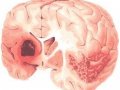
A group of scientists from the University of Manchester, UK, have presented a drug that dramatically reduces the degree of brain damage in patients who have suffered a stroke.
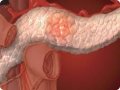
By closely analyzing genes expressed by freely circulating tumor cells, scientists have identified a potential target for the treatment of metastatic pancreatic cancer, which is considered one of the most aggressive.
A specific genetic mutation, RAC1, unique to skin cancer and caused by UV radiation exposure has been identified by Yale researchers in collaboration with the Queensland Institute of Medical Research.
Scientists are planning to create chemical additives that will make the human brain feel full sooner - the researchers hope that "smart" food will be able to teach people to eat in moderation.
Hepatitis C, a viral disease that successfully "masks" itself as other types of diseases, is one of the most dangerous types of hepatitis, which has claimed many human lives.
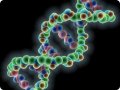
In search of ways to create safer and more effective vaccines, scientists at the Biodesign Institute at Arizona State University have turned to a promising field called DNA nanotechnology to create an entirely new type of synthetic vaccine.