Lifestyle for gout

Lifestyle for gout: nutrition, weight control, fluid intake, physical activity, and habits that help reduce uric acid levels and the risk of flare-ups

Healthgout brings together curated guides, checklists, and explanations to help navigate the topic with clarity.

Use this page as a starting point: learn key terms, common scenarios, and how clinicians usually approach diagnosis and treatment.

On this page:

  • Clear navigation to related guides and checklists
  • Key concepts and definitions
  • Practical next steps and questions to ask
  • When to seek professional help

This hub is educational and is not a substitute for medical care.

Use it to orient quickly and then read the detailed articles linked below.

Tofu for gout: can you eat it, how much, and in what form?

Gout develops against the background of elevated urate levels in the blood, when monosodium urate crystals begin to be deposited in the joints and surrounding tissues.

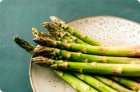
Asparagus for gout: can you eat it, how do purines affect it, and when should you exercise caution?

Asparagus does not seem like a product that should be automatically excluded from the diet for gout.

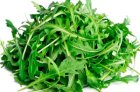
Arugula for gout: can you eat it, does it affect uric acid, and when should you exercise caution?

For most people with gout, arugula is not a food that should be automatically eliminated.

Mustard for gout: can you eat it, does it affect uric acid, and when should you exercise caution?

Mustard is not usually one of those foods that should be automatically banned when it comes to gout.

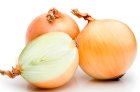
Onions for gout: can you eat them, does it affect uric acid, and when should you exercise caution?

Onions are usually not considered a mandatory food item to be avoided when treating gout.

Turmeric for gout: Does it help, does it affect uric acid, and who needs to be careful?

Turmeric for gout does not seem like a product that should be automatically banned, but it also cannot be considered a proven remedy.

Potatoes for gout: can you eat them, what dishes are best, and when should you limit them?

Potatoes are generally acceptable for gout. Modern patient information and review papers do not list regular potatoes as a major food trigger for gout.

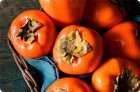
Persimmon for gout: can you eat it, does it increase uric acid, and when should you exercise caution?

For most people with gout, persimmon is not a classic food that should be automatically banned.

Oatmeal for gout: can you eat it, how does it affect uric acid, and which porridge is best?

Oatmeal is generally acceptable for gout and, for most people, does not seem like a food that should be automatically excluded from the diet.