Lifestyle for gout

Lifestyle for gout: nutrition, weight control, fluid intake, physical activity, and habits that help reduce uric acid levels and the risk of flare-ups

Healthgout brings together curated guides, checklists, and explanations to help navigate the topic with clarity.

Use this page as a starting point: learn key terms, common scenarios, and how clinicians usually approach diagnosis and treatment.

On this page:

  • Clear navigation to related guides and checklists
  • Key concepts and definitions
  • Practical next steps and questions to ask
  • When to seek professional help

This hub is educational and is not a substitute for medical care.

Use it to orient quickly and then read the detailed articles linked below.
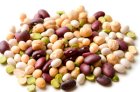
Legumes for gout: Can you eat beans, lentils, chickpeas, and soybeans, and how do they affect uric acid?

Legumes are not usually automatically banned for gout. Modern gout guidelines shift the emphasis from mechanical purine counting to overall dietary patterns, weight management, limiting alcohol and sugary drinks, and achieving target uric acid levels.

Pasta for gout: can you eat it, which dishes are safer, and when does pasta become a problem?

Regular pasta is not usually considered a problematic food for gout and, unlike offal, some seafood, alcohol and sugary drinks, is not considered a typical food trigger for attacks.

Seafood for gout: what's allowed, what's not, and which types are more dangerous

Seafood is not usually considered a food product for free and frequent consumption when it comes to gout.

Sausages for gout: can you eat them, what are the dangers of processed meat, and how does it interfere with disease control?

In everyday usage, the word "sausages" often encompasses several different products: cooked and semi-smoked sausages, frankfurters, small sausages, salami, bacon, ham, deli meat cuts, and other processed meat products.

Mayonnaise for gout: can you eat it, what are the dangers, and how much is acceptable?

Mayonnaise for gout is usually not considered a classic off-limits food, such as organ meats, some seafood, sweet drinks with fructose, or alcohol, especially beer and spirits.

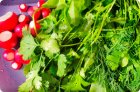
Greens for gout: can you eat them, what types are acceptable, and why vegetable purines are not equal to meat ones

The word "greens" usually refers to leafy vegetables and culinary herbs: lettuce leaves, spinach, arugula, parsley, dill, cilantro, green onions, and other similar products.

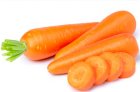
Carrots for gout: can you eat them, what form is healthier, and how does juice differ?

Gout develops due to increased uric acid levels and the deposition of monosodium urate crystals in tissues.

Sour cream for gout: can you eat it, how is it different from yogurt, and when is it best to limit it?

Sour cream for gout is usually not one of the foods that should be automatically banned for all patients.

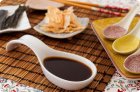
Soy sauce for gout: can you eat it, what are the dangers, and how much is acceptable?

Soy sauce is not usually considered an absolute no-no for gout, but it also doesn't seem like a product that can be used without reserve.

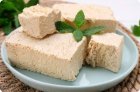
Halva for gout: can you eat it, what are the dangers, and when does sweetness interfere with disease control?

Halva for gout does not include classic products with a high purine load, such as offal, some seafood or beer.