Lifestyle for gout

Lifestyle for gout: nutrition, weight control, fluid intake, physical activity, and habits that help reduce uric acid levels and the risk of flare-ups

Healthgout brings together curated guides, checklists, and explanations to help navigate the topic with clarity.

Use this page as a starting point: learn key terms, common scenarios, and how clinicians usually approach diagnosis and treatment.

On this page:

  • Clear navigation to related guides and checklists
  • Key concepts and definitions
  • Practical next steps and questions to ask
  • When to seek professional help

This hub is educational and is not a substitute for medical care.

Use it to orient quickly and then read the detailed articles linked below.
Pumpkin for gout: can you eat it, how to prepare it, and when should you exercise caution?

Gout recommendations do not emphasize banning all vegetables, but rather limiting alcohol, sugary drinks, high-purine foods, and maintaining a healthy weight.

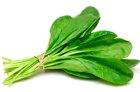
Spinach for gout: can you eat it, does it increase uric acid, and when should you exercise caution?

Spinach is not usually one of those foods that should be automatically excluded from a gout diet.

Butter for gout: can you eat it, how much is acceptable, and what can you substitute it with?

To answer directly, butter is usually not one of the strictly prohibited foods for gout.

Squid for gout: can you eat it, how does it affect uric acid, and what can you replace it with?

The main practical conclusion is this: squid cannot be called a safe everyday product for gout.

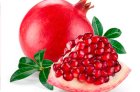
Pomegranate for gout: can you eat it, does it help lower uric acid, and how to consume it safely?

Pomegranate can usually be included in the diet for gout, as long as it is whole grain, in moderation, and without added sugar.

Shrimp for gout: is it safe, what are the risks, and what are the doctor's recommendations?

The question of shrimp for gout arises in almost every patient who was once told: “Avoid foods with purines.”

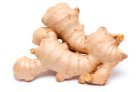
Ginger for gout: does it really help, and what does modern medicine say?

Gout is not just a “food disease,” but a chronic uric acid metabolism disorder in which monosodium urate crystals are deposited in the tissues.

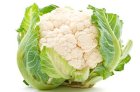
Cauliflower for gout: can you eat it, benefits, and restrictions

Cauliflower often raises questions among patients. On the one hand, it's a valuable vegetable, rich in vitamins and antioxidants. On the other hand, it contains purines—substances that can contribute to the formation of uric acid.

Jellied meat for gout: can you eat it, risks, and effects on uric acid

Kholodets is a traditional dish prepared by long-simmering meat, bones, skin and connective tissue.

Dates for gout: can you eat them and when is it best to limit them?

Dates for gout are not usually considered a food that should be automatically banned for everyone.