Lifestyle for gout

Lifestyle for gout: nutrition, weight control, fluid intake, physical activity, and habits that help reduce uric acid levels and the risk of flare-ups

Healthgout brings together curated guides, checklists, and explanations to help navigate the topic with clarity.

Use this page as a starting point: learn key terms, common scenarios, and how clinicians usually approach diagnosis and treatment.

On this page:

  • Clear navigation to related guides and checklists
  • Key concepts and definitions
  • Practical next steps and questions to ask
  • When to seek professional help

This hub is educational and is not a substitute for medical care.

Use it to orient quickly and then read the detailed articles linked below.

Citrus fruits for gout: can you eat oranges, lemons, and grapefruit if you have high uric acid?

Citrus fruits are generally not prohibited for gout sufferers. Current gout guidelines do not list whole fruits as a major dietary trigger.

Vodka for gout: can you drink it, what are the dangers of strong alcohol, and how does it affect uric acid?

Vodka is not a safe drink for gout. Although in clinical discussions, patients often believe the problem is primarily related to beer, current guidelines and research show that strong alcohol also increases the risk of hyperuricemia and gout attacks.

Turkey for gout: can you eat it, how much is acceptable, and which form is worse?

Turkey is not usually considered an absolute no-no for gout sufferers, but it is also not considered a food that can be eaten without restrictions.

Cookies for gout: can you eat them, which ones are worse, and why sweet desserts interfere with disease control

Cookies for gout are not usually one of those foods that are automatically banned for everyone without exception.

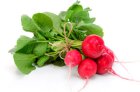
Radishes for gout: can you eat them, how to cook them, and when should you exercise caution?

To put it bluntly, radishes are generally acceptable for gout sufferers. Clinical leaflets for patients list vegetables as low-purine foods that can be eaten freely, with restrictions focusing primarily on alcohol, excess animal purines, and foods high in fructose.

Lingonberries for gout: can you eat them, does they affect uric acid, and which form is safer?

Lingonberries are not generally considered a food that should be automatically avoided for gout sufferers. Current gout guidelines do not confirm that any one specific berry can prevent attacks or, conversely, reliably trigger them.

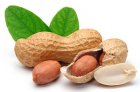
Peanuts for gout: can you eat them, when to limit them, and how to include them in your diet

Against this background, peanuts are not among the foods that modern clinical materials place on the same level as beer, offal, anchovies, sardines, or sweet drinks.

Cocoa for gout: can you drink it, does it affect uric acid, and how to choose a safe option

Cocoa for gout is not usually one of those foods that should be automatically and lifelong excluded for all patients.

Sweets for gout: what you can and can't eat, and why sugar increases the risk of attacks

Sweets for gout do not fall into the category of absolute prohibitions such as “never and in any quantity”.

Walnuts for gout: can you eat them, does it affect uric acid, and how much is acceptable?

Walnuts are not usually considered a food to be automatically excluded from gout.