

All iLive content is medically reviewed or fact checked to ensure as much factual accuracy as possible.
We have strict sourcing guidelines and only link to reputable media sites, academic research institutions and, whenever possible, medically peer reviewed studies. Note that the numbers in parentheses ([1], [2], etc.) are clickable links to these studies.
If you feel that any of our content is inaccurate, out-of-date, or otherwise questionable, please select it and press Ctrl + Enter.
Esophageal injuries: diagnosis and treatment
Medical expert of the article

Last updated: 27.10.2025
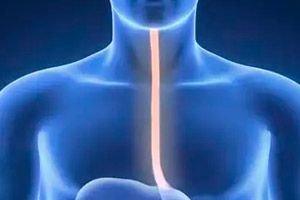
Esophageal injuries are rare but extremely dangerous conditions in which the integrity of the esophageal wall is compromised, contaminating the surrounding spaces (neck, mediastinum, pleural, and abdominal cavities) with saliva, food, and microbiota. Injuries include spontaneous rupture perforation (Boerhaave syndrome), iatrogenic injuries (most often during endoscopy), and traumatic injuries from blunt or penetrating trauma to the neck, chest, or abdomen. Early diagnosis and timely treatment determine the outcome: a delay of even 24 hours significantly increases the risk of mediastinitis, sepsis, and death. [1]
In recent years, tactics have become more gentle and multidisciplinary: in some cases, non-surgical management and endoscopic methods (clipping, stenting, vacuum therapy) are used. However, if the criteria are not met, surgical intervention is performed immediately, including revision, suturing of the defect, and extensive drainage. The choice depends on the location, duration, size of the rupture, degree of contamination, and the patient's condition. International guidelines emphasize: if conditions for safe conservative management are not met, early surgery is indicated. [2]
The most common cause is iatrogenic perforation during diagnostic or interventional endoscopy; spontaneous ruptures due to vomiting/increased intraluminal pressure are the next most common, followed by significantly less common traumatic injuries. For endoscopically related defects, primary endoscopic closure has been proven to be highly effective for small defects, reducing the need for "major" surgeries. [3]
Boerhaave syndrome is a distinct, critical condition due to fulminant mediastinitis: the earlier the diagnosis is made and sealing/drainage is achieved, the higher the survival rate. Current reviews emphasize early broad-spectrum antibiotics (covering anaerobes and methicillin-resistant staphylococci as indicated), source control, and nutritional support. [4]
Code according to ICD-10 and ICD-11
In ICD-10, esophageal injuries are coded in the esophageal diseases and injuries sections: K22.3 "Esophageal rupture," T28.1 "Corrosive burn of the esophagus" (for caustic injuries), as well as injury codes based on location and mechanism (S11.2 - open neck wound with organ damage, S27.8 - other chest injuries, T81.2 - iatrogenic perforative complication - depending on the situation). For bleeding and mediastinitis, the corresponding complications are added. In practice, a combination of codes is chosen that reflect both the cause and the consequences. [5]
In ICD-11, the basic positions are DB31.0 "Esophageal rupture," DB31.1 "Esophageal perforation," and for thermal/chemical injuries, there are separate categories for injuries and toxic effects. The post-coordination system allows for the addition of content: etiology (iatrogenic, traumatic, spontaneous), localization (cervical, thoracic, abdominal), time from onset, complications (mediastinitis, pleurisy, sepsis). This improves clinical and statistical accuracy. [6]
Table 1. Frequently used codes
| Classification | Code | Name | When to use |
|---|---|---|---|
| ICD-10 | K22.3 | Esophageal rupture/perforation | Boerhaave syndrome, trauma, iatrogenic perforation |
| ICD-10 | T81.2 | Iatrogenic organ perforation | In case of complications of procedures |
| ICD-11 | DB31.0/DB31.1 | Esophageal rupture/perforation | With post-coordination for localization and complications |
| ICD-10/11 | Additional complication codes | Mediastinitis, empyema, sepsis | For a complete clinical picture |
Epidemiology
Esophageal perforation is rare, with an estimated incidence of approximately 3 cases per 1,000,000 per year. However, mortality remains high and depends on the timeliness of diagnosis. Most perforations today are iatrogenic, associated with endoscopic interventions, while spontaneous and truly traumatic perforations constitute a minority. [7]
Mortality varies widely: modern series and reviews indicate a range of approximately 10-25%, and higher in cases of late presentation and severe sepsis. Timely sealing of the defect and drainage dramatically improve the outcome; delayed diagnosis is the main unfavorable factor. [8]
Traumatic (non-iatrogenic) injuries in victims with blunt/penetrating trauma are rare - a fraction of a percent of those injured; with blunt trauma, the estimated incidence is ≈0.06% of hospitalizations, with penetrating trauma - ≈0.6%. In children, traumatic esophageal rupture is a rare occurrence (less than 1% of intrathoracic injuries). [9]
National registries and surveys indicate that the incidence of non-cirrhotic, "spontaneous" rupture (Boerhaave syndrome) is low, but mediastinitis develops rapidly and determines outcome; intensive care emphasizes the need for early antibiotic therapy and source control. [10]
Table 2. Epidemiological landmarks
| Indicator | Grade |
|---|---|
| Perforation incidence | ≈3 per 1,000,000 per year |
| The proportion of iatrogenic causes | The most common cause in the modern era |
| Mortality (modern data) | ~10-25% (higher with delayed diagnosis) |
| Esophageal injury incidence in blunt/penetrating trauma | ~0.06% / ~0.6% of hospitalizations |
Reasons
Iatrogenic injuries occur during diagnostic and therapeutic endoscopy (stricture dilation, foreign body removal, endoscopic dissection) and during surgical interventions in the cardia/esophagus. The risk increases with severe inflammation, strictures, and complex interventions. European guidelines recommend primary endoscopic closure for minor defects. [11]
Spontaneous rupture perforation (Boerhaave syndrome) is associated with a sharp increase in intraluminal pressure during vomiting/straining against the background of a closed pharyngeal-esophageal segment. Classically, the rupture is localized in the distal left-lateral thoracic esophagus and quickly becomes complicated by mediastinitis and pleurisy. [12]
Traumatic esophageal injuries occur with penetrating wounds to the neck and chest, as well as with high-energy blunt trauma with rupture of the wall or avulsion at the junction level. Due to their rarity and poor early signs, they are easily missed; a high index of suspicion is required. [13]
Less common causes include chemical burns, foreign bodies, tumor erosions, barotrauma during ventilation, and postoperative suture/anastomotic leaks. These scenarios require individualized management, taking into account tissue viability and the degree of contamination. [14]
Risk factors
Risk factors for iatrogenic perforation include strictures, large diverticula, severe esophagitis, post-radiation fibrosis, and technically challenging endoscopic procedures. Patient behavior is also important: uncooperativeness during foreign body removal and a high risk of aspiration increase the likelihood of complications and necessitate airway protection. [15]
For Boerhaave syndrome, factors include episodes of severe vomiting (including alcohol-associated vomiting), overeating, and a sudden increase in intra-abdominal pressure. Comorbidities and immunodeficiency complicate the course of the disease and increase the risk of sepsis. [16]
In trauma, the key factors are the mechanism (knife/gunshot wounds to the neck/chest, traffic accidents with chest compression), and any accompanying airway and vascular injuries. Delayed recognition leads to mediastinitis and empyema. [17]
Finally, late presentation and significant contamination are independent factors for the failure of conservative/endoscopic strategies and predictors of the need for surgery. International guidelines explicitly indicate this when choosing tactics. [18]
Table 3. Risk factors and adverse events
| Situation | Risk/sign |
|---|---|
| Stricture, radiation fibrosis, complex endotherapy | Iatrogenic perforation |
| Severe vomiting, overeating | Boerhaave syndrome |
| Stab/gunshot wound to the neck/chest | Traumatic injury |
| Delay >24 h, sepsis, extensive contamination | Failure of conservative tactics |
Pathogenesis
The structure of the esophageal wall (absence of serosa, relatively poor collateral blood supply) makes it vulnerable: if ruptured, the contents quickly infect the periesophageal spaces and mediastinum. Intrasystemic inflammation quickly progresses to sepsis, especially with distal ruptures with communication with the pleura. Therefore, early sealing intervention and adequate drainage are key. [19]
In Boerhaave syndrome, the pathogenetic mechanism is barotrauma: a sharp peak in pressure on the "closed" upper zone causes a complete rupture of all layers, most often on the left posterolateral wall. The combination of gastric contents, enzymes, and microbiota causes necrotizing mediastinitis. Without immediate treatment, mortality is very high. [20]
In iatrogenic injuries, the spectrum ranges from microdefects of the mucosa to full-thickness perforations. Small defects, under "clean" conditions and early detection, are successfully closed with clips/stents; large and contaminated ones require surgery. The decisive factors are size, viability of the margins, proximal pressure, and the ability to reliably retract. [21]
Traumatic injuries are often combined with airway/vascular injuries, which exacerbates tissue ischemia and contamination. Proper surgical approach and drainage reduce the risk of phlegmon and empyema. [22]
Symptoms
The classic Mackler triad (vomiting, chest pain, subcutaneous emphysema) is not always present in Boerhaave syndrome. More common symptoms include acute chest/back pain, tachycardia, fever, and dyspnea; in cervical lacerations, neck pain, dysphagia, hoarseness, and tissue crepitations are also observed. A high index of suspicion is important in patients following vomiting episodes. [23]
In cases of iatrogenic perforation, symptoms often develop during or immediately after the procedure: sudden pain, hypotension, subcutaneous emphysema, hemoptysis; sometimes the symptoms are vague and manifest within hours or days. Any suspicious symptoms after endoscopy should be interpreted as perforation until proven otherwise. [24]
In trauma, "red flags" include a wound in the area of a possible esophageal tract, hemoptysis, painful swallowing, salivation, and pneumomediastinum/pneumothorax on radiographs. Patients may initially appear "stable," which can lead to delayed diagnosis. [25]
Late manifestations include mediastinitis, pleural empyema, sepsis, and shock. The onset of chest pain and fever in a patient after vomiting or endoscopy is a reason for immediate imaging. [26]
Table 4. Localization hints
| Localization | Typical signs |
|---|---|
| Cervical spine | Neck pain/swelling, dysphagia, crepitus |
| Thoracic region | Retrosternal pain, tachycardia, dyspnea |
| Supradiaphragmatic/abdominal | Pain in the epigastrium/left hypochondrium, left-sided hydropneumothorax |
Classification, forms and stages
Causes: iatrogenic, spontaneous (Boerhaave), traumatic (blunt/penetrating), postoperative, caustic. This classification helps predict the degree of contamination and tissue viability. [27]
By location: cervical, thoracic, and abdominal injuries. The choice of approach and the extent of drainage directly depend on the level of the rupture. Cervical injuries often allow for limited intervention and drainage, while thoracic injuries are potentially more dangerous. [28]
By timing: early (up to 24 hours) and late (after 24 hours) - critical for the choice of tactics (high chance of primary suturing with early presentation). With late presentation, extended surgery and/or stenting with active drainage are more often required. [29]
By degree of contamination/severity: no/minimal leakage (candidates for conservative/endoscopic tactics) versus severe mediastinitis/empyema (indications for surgery). [30]
Table 5. Practical classification for choosing tactics
| Base | Categories | Meaning |
|---|---|---|
| Cause | Iatrogenic / spontaneous / traumatic | Treatment profile |
| Localization | Neck / chest / abdomen | Surgical approach |
| Time | ≤24 h / >24 h | Chance of primary suturing |
| Pollution | Minimal / pronounced | Conservative/endoscopy vs. surgery |
Complications and consequences
Without treatment, perforation quickly leads to mediastinitis, empyema, sepsis, and multiple organ failure. Even with modern management, significant complication rates and mortality are recorded, especially with late diagnosis. [31]
After endoscopic/surgical closure, suture failure, stent migration, strictures, and dysphagia may occur. Regular monitoring, imaging, and endoscopic examinations allow for timely identification of problems and appropriate treatment adjustments (dilation, stent replacement, revision). [32]
Complications of neck injuries include cervical cellulitis, damage to the recurrent laryngeal nerve (hoarseness), and fistulas. Adequate drainage and antibiotic therapy reduce these risks. [33]
Nutritional malnutrition is a common consequence: early enteral or parenteral support improves outcomes, especially when oral feeding is withheld for a long time.[34]
When to see a doctor
Any sharp chest/neck pain following an episode of severe vomiting, endoscopy, foreign body, or chest/neck trauma is a reason to seek immediate hospitalization. Shortness of breath, fever, subcutaneous emphysema, and hemoptysis increase suspicion of perforation. [35]
After endoscopy, pain, difficulty swallowing, and fever should be reported immediately to the doctor. Early detection of the defect allows for endoscopic closure and avoids major surgery. [36]
A patient with a penetrating neck/chest wound should be considered as potentially having an esophageal injury until it is excluded - imaging and consultation with a specialist team is necessary.[37]
Upon discharge after treatment, the patient is guided by "red flags": fever, increased pain, chills, purulent drainage, and recurrent dysphagia/vomiting. These require re-evaluation. [38]
Diagnostics
Step 1. Clinical assessment and airway protection. If perforation is suspected, an initial assessment is performed using resuscitation principles: securing the airway, hemodynamic stabilization, and early antibiotics. In patients at risk of aspiration and foreign bodies, intubation is considered immediately. [39]
Step 2. Contrast-enhanced CT scan. This is the first-line test for suspected perforation: it identifies pneumomediastinum, contrast leakage, and fluid/gas in the pleura and retroperitoneum, assesses the extent of inflammation, and helps plan access and drainage. For neck and chest trauma, this is the fastest and most informative test. [40]
Step 3. Contrast radiography of the esophagus. In a stable patient, a water-soluble contrast agent is used; if the test is negative and there is a high clinical probability, a repeat is performed after a few hours or barium is used (with caution). This method reveals the location and size of the leak and helps plan clipping/stenting. [41]
Step 4. Diagnostic endoscopy. In experienced hands, it allows for confirmation of the defect, assessment of the viability of the margins, and, if possible, immediate therapeutic closure and drainage (e.g., insertion of an endonasogastric tube beyond the defect line, placement of a stent, clips, or vacuum system). It is the instrument of choice for iatrogenic defects detected early. [42]
Step 5. Laboratory and related studies. Inflammatory markers, organ function, blood gas analysis. For Boerhaave syndrome, targeted antimicrobial coating after culture. For trauma, parallel search for associated lesions using multispiral computed tomography. [43]
Table 6. Diagnostic methods and their role
| Method | What does it give? | When it is especially useful |
|---|---|---|
| CT with contrast | Leak, air/liquid, prevalence | Suspicion of perforation, trauma |
| Contrast radiography | Leak location/size | Planning endotherapy |
| Endoscopy | Confirmation + treatment | Iatrogenic defects, early stages |
| Laboratory/cultures | Sepsis, choice of antibiotics | Boerhaave syndrome, late cases |
Differential diagnosis
Acute chest pain syndrome is differentiated from acute coronary syndrome, aortic dissection, pulmonary embolism, acute pancreatitis, and ulcer perforation. Rapid cardiac markers and CT angiography help differentiate life-threatening conditions. [44]
Perforation is differentiated from a Mallory-Weiss tear (a mucous rupture at the cardia) by the depth of the lesion and signs of mediastinitis/pneumomediastinum. Endoscopy resolves the issue and is often therapeutic for Mallory-Weiss. [45]
Foreign bodies and food impactions may cause pain and dysphagia without perforation; however, prolonged delay increases the risk of pressure ulcers and rupture, so endoscopic removal and airway protection are performed without delay. [46]
In trauma patients, it is important to search for combined injuries to the larynx, trachea, thyroid gland, and large vessels; multimodal imaging and flexible bronchoscopy, when indicated, prevent missing dangerous combinations. [47]
Table 7. What helps to differentiate similar scenarios
| State | The key to distinction |
|---|---|
| ACS/aortic dissection/pulmonary embolism | ECG, troponins, CT angiography |
| Mallory-Weiss | Superficial mucosal rupture without mediastinitis |
| Foreign body | Endoscopy, if delayed - risk of pressure ulcer/rupture |
| Combined neck injuries | CT scan of the neck/chest, bronchoscopy as indicated |
Treatment
The strategy begins with resuscitation measures: respiratory and hemodynamic stabilization, analgesia, broad-spectrum antibiotics with aerobic/anaerobic coverage (eg, piperacillin/tazobactam or carbapenem ± anti-methicillin-resistant agent at risk), proton pump inhibitors, and oral contraceptives. Early source control—surgical or endoscopic—is critical to reducing mortality in mediastinitis (especially in Boerhaave syndrome). [48]
Criteria for non-operative management include early detection, a small defect, viable margins, laminar outflow without massive contamination, the possibility of reliable retraction (probe distal to the defect), and clinical stability. Such patients are managed under CT/radiography guidance, with nutritional support (enteral distal to the rupture or parenteral) and readiness for escalation. At the slightest sign of failure, transition to surgery. [49]
Endoscopic closure is the standard for iatrogenic defects: clipping (through-the-channel clips for <10 mm, over-the-scope clips for >10 mm), covered self-expanding metal stents for large/extended leaks, endoscopic vacuum therapy (eVAC) for cavities and leaks. The choice of technique is based on the size of the defect and contamination; combinations of techniques are acceptable. [50]
Boerhaave syndrome requires an aggressive approach: if the patient does not meet the strict criteria for conservative management, early surgery (preferably within the first few hours) is recommended. Options include suturing the defect with reinforcement (pleural/omental/muscular grafting) and extensive drainage, thoracoscopic/laparoscopic approaches with available expertise; in cases of tissue destruction, resection/divertation followed by reconstruction. Endoscopic techniques are possible in carefully selected cases. [51]
Traumatic injuries often require surgical tactics: in the cervical localization - revision through cervicotomy, suturing the defect in two layers with drainage; in the thoracic localization - thoracotomy/thoracoscopy with suturing and drainage of the pleura/mediastinum; if impossible - diversion (esophagostomy) and nutrition through a jejunostomy. The principles are universal: exposure, debridement, sealing, strengthening of sutures, adequate drainage. [52]
Stents are useful for extended ruptures and leaks, especially if the tissue is viable and contamination is controlled. It is important to select the correct diameter/length, ensure fixation, and monitor migration; follow-up studies are performed regularly, and the period of incubation is usually several weeks until epithelialization occurs. Combination with stent-assisted drainage increases success. [53]
Endoscopic vacuum therapy (eVAC) has proven highly effective for cavities and chronic leaks: a sponge connected to a vacuum is placed into the defect lumen and is changed regularly. This method stimulates granulation and cleansing, reducing the bacterial load; it is often combined with drainage and antibiotics. [54]
Antibiotic and antifungal therapy. For mediastinitis, begin with broad coverage (aerobes/anaerobes; anti-methicillin-resistant component according to risk), followed by de-escalation based on cultures. For prolonged leaks and stents, antifungal prophylaxis may be necessary based on clinical indications. Duration is individualized, based on clinical findings and follow-up studies. [55]
Nutrition and support. Early enteral nutrition distal to the injury site (jejunostomy/nasojejunal tube) is preferred; if not possible, parenteral nutrition is recommended. Adequate nutritional support accelerates healing and reduces the risk of infection. Pulmonary physiotherapy and pain control reduce complications. [56]
Postoperative follow-up. Serial clinical and imaging studies (CT/contrast study) are performed to confirm leakage, and laboratory markers of inflammation are monitored. If signs of persistent leakage are detected, escalation is considered: repeat endoscopy, stent replacement, eVAC, or revision surgery. Early transition to oral administration is only possible after documented leakage. [57]
Table 8. Choice of tactics for clinical situations
| Scenario | Preferred approach | Alternative/addition |
|---|---|---|
| Minor iatrogenic defect, early term, minimal contamination | Endoscopic clip closure/OTS | Stent for >20 mm, eVAC for cavity |
| Boerhaave syndrome without criteria for conservative management | Emergency surgery + drainage | Endoscopic treatment in carefully selected patients |
| Traumatic rupture (thoracic) | Thoracoscopy/thoracotomy, suturing, drainage | Retraction/resection if non-viable |
| Chronic leak/cavity | eVAC ± stent | Revision surgery in case of failure |
Prevention
In endoscopy, prevention involves careful preoperative risk assessment (strictures, radiation fibrosis), selection of appropriate instruments and energies, airway protection in patients at high risk of aspiration, and a plan for immediate closure of defects (clips, stents, endovacc). Team training and checklists reduce the incidence of complications. [58]
Reducing the risk of Boerhaave syndrome involves correcting conditions associated with vomiting (alcohol-associated vomiting, gastroenteritis), caution with overeating, and promptly seeking medical attention for pain after vomiting. For patients with dysphagia and food impaction, early endoscopic treatment is important to avoid barotrauma. [59]
In trauma, prevention is secondary: standardized diagnostic algorithms in the emergency department and a high index of suspicion for wounds in the esophagus. Systemic measures include rapid transfer to a center with access to endoscopy, thoracic surgery, and interventional radiology. [60]
After treatment, prevention of relapses and complications includes stopping smoking and drinking alcohol, controlling reflux, following a gentle diet during the healing period, learning to recognize “red flags,” and adhering to a schedule of follow-up examinations. [61]
Forecast
The prognosis depends on the time to diagnosis and the adequacy of source control. With early detection and sealing of the defect with drainage, mortality is significantly lower; with delay and severe mediastinitis, mortality can reach 20% or more. A multidisciplinary approach improves outcomes. [62]
Iatrogenic minor defects closed endoscopically usually heal without serious sequelae. However, Boerhaave syndrome and traumatic ruptures remain high-risk scenarios requiring aggressive management and close monitoring. [63]
Long-term strictures requiring dilation and swallowing difficulties are possible; with proper rehabilitation, these problems are solvable. Quality of life is largely determined by the speed of return to oral nutrition and the absence of recurrent leaks. [64]
The development of endoscopic technologies (vacuum therapy, improved stents, combined techniques) and minimally invasive surgery is expanding the range of patients who can be treated without major traumatic operations, without sacrificing safety. [65]
Table 9. What influences the outcome the most?
| Factor | Influence |
|---|---|
| Delayed diagnosis | Increases mortality and complications |
| Source control (sealing + drainage) | Reduces sepsis and mortality |
| Reason for the breakup | Iatrogenic - better; Boerhaave/trauma - more severe |
| Presence of mediastinitis/empyema | Worsens the prognosis and requires aggressive tactics |
FAQ - Frequently Asked Questions
Is it possible to treat a perforation "without surgery"?
Yes, if the defect is small, detected early, the tissue is viable, and there is no significant contamination. In such cases, endoscopic methods (clips, stents, vacuum therapy) under careful monitoring are effective. If there are signs of failure, surgery is considered. [66]
Is major surgery always necessary for Boerhaave syndrome?
No, but most often, yes: if the strict criteria for conservative management are not met, early surgical suturing/drainage is recommended. Selection for endoscopic treatment is extremely cautious and depends on the center's experience. [67]
What antibiotics are given for esophageal rupture?
Initially, broad coverage of aerobes and anaerobes (eg, piperacillin/tazobactam or carbapenem) is recommended, with the addition of an anti-methicillin-resistant agent as indicated; therapy is then de-escalated based on cultures. Duration is individualized and depends on the clinical presentation and source control. [68]
How soon can eating be resumed after treatment?
Oral nutrition is permitted only after documented sealing (contrast study/CT, sometimes endoscopy). Before this, enteral nutrition distal to the defect or parenteral nutrition are recommended. [69]
What are the dangers of being late with a doctor's appointment?
Every hour of delay increases the risk of mediastinitis, empyema, and sepsis, worsening the prognosis. If pain occurs after vomiting, endoscopy, or injury, it's best to undergo imaging immediately. [70]
What do need to examine?
How to examine?