

All iLive content is medically reviewed or fact checked to ensure as much factual accuracy as possible.
We have strict sourcing guidelines and only link to reputable media sites, academic research institutions and, whenever possible, medically peer reviewed studies. Note that the numbers in parentheses ([1], [2], etc.) are clickable links to these studies.
If you feel that any of our content is inaccurate, out-of-date, or otherwise questionable, please select it and press Ctrl + Enter.
Yeast Allergy: Symptoms, Diagnosis, and Treatment
Medical expert of the article

Last updated: 06.05.2026
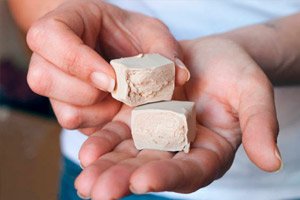
Yeast allergy is a rare form of hypersensitivity in which the immune system reacts to proteins from yeast fungi, most commonly Saccharomyces cerevisiae, also known as baker's or brewer's yeast. There are isolated cases of true food allergy to baker's yeast described in the medical literature, including reactions to bread and pizza, but this is not a common food allergy. [1]
The common term "yeast allergy" is often overused. It could cover a food allergy, food intolerance, reaction to wheat, gluten, milk, eggs, sesame, or other baking ingredients, alcohol intolerance, a reaction to sulfites in beverages, irritable bowel syndrome, or a flare-up of chronic urticaria. [2]
It's important to distinguish between allergies and intolerances. Food allergies involve the immune system, and may cause hives, swelling, wheezing, vomiting, and anaphylaxis; intolerances more often involve dose-dependent gastrointestinal symptoms, such as bloating, cramping, rumbling, and diarrhea, without a dangerous systemic immune response. [3]
Yeast may be important not only as a dietary factor. Yeast dust may contribute to occupational asthma in bakery and food production workers, although classic baker's asthma is more often associated with flour, enzymes, mites, and other components of industrial dust. [4]
Particular confusion arises around "candidiasis," "Candida diets," and the idea that fatigue, headaches, sweet cravings, or brain fog necessarily indicate a yeast allergy. Medically, an allergy diagnosis requires linking symptoms to a specific exposure and confirming sensitization or a clinical reaction, rather than relying solely on nonspecific complaints. [5]
| Main | What does this mean? |
|---|---|
| True yeast allergy is rare. | A careful diagnosis is needed, not an automatic ban on bread and fermented foods. |
| Yeast can cause food and respiratory reactions | It is important to distinguish between food, drinks and inhalation of yeast dust. |
| Intolerance is more common than proven allergy. | Gastrointestinal symptoms alone do not prove an allergy. |
| The reaction to bread is not the same as the reaction to yeast. | The cause may be wheat, milk, egg, sesame, additives or mold contamination. |
| The diagnosis is based on history, tests and sometimes a provocative test. | One positive test without symptoms is not sufficient evidence |
Where yeast is found
Baker's yeast, Saccharomyces cerevisiae, is used to raise dough in the production of bread, rolls, pizza, pies, some crackers, and other baked goods. Therefore, if you suspect a yeast allergy, it's important to look not only at the bread itself but also at the entire product's composition, including flour, milk, eggs, seeds, nuts, and processing aids. [6]
Brewer's yeast is used in the production of beer and some fermented beverages, and related strains of Saccharomyces cerevisiae are involved in winemaking. A case of beer and wine allergy associated with Saccharomyces cerevisiae has been described in the literature in a patient sensitized to the fungi. [7]
Yeast is also found in food supplements and products with a pronounced umami flavor: nutritional yeast, yeast extract, some spreads, flavor enhancers, bouillon mixes, and vegan products. However, the presence of a yeast ingredient in a product does not automatically mean it is dangerous for everyone, as the clinical response depends on individual sensitivity and dose. [8]
Fermented foods are not all created equal in terms of risk. Some contain live or inactivated yeast, while others are produced with bacteria, mold, or mixed cultures. Furthermore, symptoms from fermented foods may be related to histamine, sulfites, alcohol, acidity, or other components, rather than a yeast allergy. [9]
Some people experience symptoms not after eating, but from inhaling yeast dust at work. In the classic description of baker's asthma caused by dry baker's yeast, Saccharomyces cerevisiae, the reaction was attributed specifically to the powdered form of the yeast and occupational exposure. [10]
| Source of yeast | Examples | What is important to consider |
|---|---|---|
| Bakery | Bread, pizza, buns, pies | The reaction may be to the yeast or other ingredients. |
| Drinks | Beer, wine, cider, some fermented drinks | May contain yeast, sulfites, histamine, alcohol |
| Food additives | Nutritional yeast, yeast extract | The composition must be read separately. |
| Industrial dust | Bakeries, confectioneries, food production | Rhinitis and asthma are possible |
| Probiotics | Selected products containing Saccharomyces boulardii | An assessment is needed individually. |
| Fermented foods | Various fermentation products | Not all symptoms are related to yeast. |
Why does yeast allergy develop?
In a true allergy, the body produces immunoglobulin E (IgE) specific to yeast proteins or other yeast components. Upon repeated exposure, this can trigger the release of inflammatory mediators, which manifests as urticaria, swelling, coughing, bronchospasm, vomiting, or, in rare cases, anaphylaxis. [11]
Saccharomyces cerevisiae contains several immunologically significant components. Studies in the 1990s identified immunoglobulin E-binding components of baker's yeast in patients and demonstrated that yeast allergens can remain active under conditions simulating gastrointestinal digestion. [12]
Cross-reactivity is important for yeasts. Atopic patients sensitized to Candida albicans and Saccharomyces cerevisiae may have reactions to other environmental yeasts due to shared or similar antigens, although laboratory cross-reactivity does not always indicate clinical allergy to all fungi and fermented foods. [13]
Some studies have indicated that mannans and mannoproteins from the cell wall of Candida albicans and Saccharomyces cerevisiae may be involved in the cross-linking of immunoglobulin E. This explains why some patients may test positive for several yeast or fungal allergens simultaneously.[14]
In occupational exposure, the mechanism may involve inhalation of yeast dust and other particles from the baking environment. Baker's asthma is considered one of the most significant forms of occupational asthma, but yeast is only one possible allergen, along with wheat flour, rye flour, enzymes, mold, and storage mites. [15]
| Mechanism | What's happening | Example |
|---|---|---|
| Immediate food allergy | Immunoglobulin E reacts to the yeast component | Hives or bronchospasm after freshly baked goods |
| Occupational respiratory allergy | Inhaling yeast or baker's dust can cause rhinitis or asthma. | Symptoms a baker experiences when working with dry yeast |
| Cross-reactivity | Similar components of different yeasts bind to antibodies | Simultaneous sensitization to Saccharomyces and Candida |
| Intolerance without allergy | Symptoms occur without a dangerous immune response. | Bloating after bread or beer |
| Reaction to another component of the product | The culprit is not yeast, but another allergen or additive. | Wheat, milk, eggs, sulfites, histamine |
Symptoms
A food allergy to yeast can manifest as itching of the mouth, hives, redness of the skin, swelling of the lips or eyelids, nausea, abdominal pain, vomiting, coughing, wheezing, and shortness of breath. In the described case, a child developed generalized hives and asthmatic symptoms after eating bread and pizza, and a diagnostic yeast skin test caused a severe systemic reaction. [16]
Symptoms following beer, wine, or cider require particularly careful analysis. The reaction can be caused by yeast, mold, grapes, barley, hops, sulfites, histamine, alcohol, or a combination of factors; therefore, a connection with the beverage does not automatically prove a yeast allergy. [17]
Respiratory symptoms associated with occupational exposure include sneezing, runny nose, nasal itching, congestion, coughing, wheezing, shortness of breath, and chest tightness. Baker's asthma typically worsens at work and improves on weekends or vacations, although this pattern should be confirmed by a medical examination.[18]
Gastrointestinal symptoms such as bloating, rumbling, loose stools, cramping, and discomfort after eating baked goods or fermented foods often require differentiation from intolerance, irritable bowel syndrome, a reaction to fermentable carbohydrates, gluten-containing foods, alcohol, or additives. Isolated gastrointestinal complaints without hives, swelling, or respiratory symptoms do not indicate an allergy. [19]
Signs of possible anaphylaxis include rapid development of throat swelling, hoarseness, difficulty breathing, wheezing, sudden weakness, dizziness, a drop in blood pressure, fainting, or a combination of skin, respiratory, and gastrointestinal symptoms. This requires adrenaline and emergency medical attention. [20]
| Group of symptoms | Possible manifestations | What is especially important |
|---|---|---|
| Leather | Hives, itching, redness, swelling | The rapid onset of the reaction after the product is more like an allergy. |
| Mouth and throat | Itching, tingling, swelling of the lips or tongue | A swollen throat requires urgent help. |
| Gastrointestinal tract | Pain, vomiting, diarrhea, bloating | Isolated bloating usually does not indicate an allergy. |
| Nose and eyes | Rhinitis, sneezing, itchy eyes | Often found in occupational dust inhalation |
| Bronchi | Coughing, wheezing, shortness of breath | An asthma assessment is needed. |
| Systemic reaction | Weakness, drop in blood pressure, fainting | Possible anaphylaxis |
Code according to ICD 10 and ICD 11
There is generally no single universal code for "yeast allergy." The code is selected based on the manifestation: adverse food reaction, anaphylaxis after a food product, allergic asthma, allergic rhinitis, contact dermatitis, or occupational respiratory disease, if confirmed. [21]
For food reactions without anaphylaxis, the International Classification of Diseases, 10th revision often uses T78.1, i.e., other adverse food reactions, not elsewhere classified. In the International Classification of Diseases, 11th revision, a closely related category is 4A85.2, i.e., food hypersensitivity. [22] [23]
If anaphylaxis develops after eating a yeast product, the coding should reflect the severity of the reaction. The International Classification of Diseases, 10th revision, uses the T78.0 group for anaphylactic reaction to food, and the International Classification of Diseases, 11th revision, uses the category 4A84.0 for anaphylaxis due to an allergic reaction to food. [24] [25]
If asthma is the primary symptom, for example, due to occupational exposure to dry yeast or baker's dust, the physician codes the asthma according to the corresponding form and level of control. The International Classification of Diseases, 10th revision, uses J45.0 for predominantly allergic asthma, while the 11th revision classifies allergic asthma under the current asthma categories with a more precise clinical form. [26]
If the skin reaction is due to contact with a yeast product, the code may refer to allergic contact dermatitis due to a food allergen. The International Classification of Diseases, 11th revision, provides category 4A85.22 for this situation, while the International Classification of Diseases, 10th revision, may use codes for allergic contact dermatitis or food reaction, depending on the manifestation. [27]
| Clinical situation | International Classification of Diseases, 10th revision | International Classification of Diseases, 11th revision | Comment |
|---|---|---|---|
| Food reaction to yeast without anaphylaxis | T78.1 | 4A85.2, 4A85.2Y or 4A85.2Z | Coded as food hypersensitivity or adverse reaction |
| Anaphylaxis after a yeast product | T78.0 | 4A84.0 | The code must reflect a severe systemic reaction. |
| Occupational allergic asthma | J45.0 or specified asthma code | Asthma categories with clarification | Confirmation of asthma is required. |
| Allergic rhinitis due to occupational exposure | J30 or specified heading | Categories of allergic rhinitis | The code depends on the national version and the reason |
| Contact dermatitis from a food allergen | L23.6 or other specified heading | 4A85.22 or EK00 according to manifestation | Used for skin contact reactions |
| Unclear reaction to baked goods | Temporary code by symptoms | Temporary code by symptoms | After diagnosis, the code is clarified |
Diagnostics
Diagnosis begins with a detailed medical history. It's important to determine which foods trigger the symptoms—whether it's bread, pizza, freshly baked goods, beer, wine, nutritional yeast, yeast extract, or industrial dust—and how many minutes or hours it takes for the reaction to occur, and whether it recurs under the same circumstances. [28]
If a food allergy is suspected, a physician may use skin prick tests, a blood test for specific immunoglobulin E to suspected allergens, and, if the diagnosis remains unclear, a food challenge test under medical supervision. The European Academy of Allergy and Clinical Immunology emphasizes that the diagnosis of food allergy should begin with an allergologically oriented history and then be supplemented with sensitization tests. [29]
When dealing with a reaction to baked goods, it's important to look beyond yeast. Wheat, rye, barley, milk, egg, sesame, nuts, soy, enzymes, mold contamination, as well as celiac disease and non-allergic intolerances, should often be considered if symptoms are primarily digestive. [30]
If occupational symptoms are present, an assessment of working conditions is necessary: exposure to flour, dry yeast, enzymes, dust, mold, warehouse mites, gloves, and detergents. Spirometry, assessment of peak expiratory flow rate variability on workdays and non-workdays, allergy testing, and specialized provocative tests at expert centers can be used to confirm occupational asthma. [31]
A positive yeast test does not always mean that yeast is causing the symptoms. Research shows cross-reactivity between different yeasts and fungi, so the result should be interpreted in conjunction with the actual clinical picture, the reaction time, and the tolerance of specific foods. [32]
| Diagnostic method | What does it show? | When it is especially useful |
|---|---|---|
| Food diary | Relationship of symptoms to foods | For unclear reactions to bread, beer, wine and fermented foods |
| Photo of the product composition | Helps detect yeast and other allergens | In case of reaction to ready-made baked goods and drinks |
| Skin prick test | Possible immediate sensitization | For hives, swelling, asthmatic symptoms |
| Specific immunoglobulin E | Presence of antibodies to a suspected allergen | If skin tests are not possible or additional tests are needed |
| Food challenge test | Real clinical response | Only under medical supervision |
| Spirometry and respiratory monitoring | Occupational asthma | For coughing and wheezing at work |
Differential diagnosis
A reaction to bread and baked goods should often be distinguished from wheat allergy, celiac disease, non-celiac wheat sensitivity, fermentable carbohydrate intolerance, reactions to milk, eggs, sesame, or nuts, as well as acid reflux and functional dyspepsia. Therefore, the phrase "bread makes me sick" does not equate to a diagnosis of yeast allergy. [33]
A reaction to beer and wine must be distinguished from allergies or intolerances to sulfites, histamine, barley, hops, grapes, mold allergens, and alcohol. In published cases of yeast allergy in beverages, the diagnosis was confirmed by specialized tests, not just by the occurrence of symptoms after drinking alcohol. [34]
Gastrointestinal complaints after eating yeast products may be related to intolerance rather than allergy. The Cleveland Clinic emphasizes that food intolerance primarily causes digestive symptoms and is not the same as a food allergy, which can be life-threatening. [35]
People with atopic dermatitis sometimes exhibit sensitization to Candida albicans or other fungi, but this does not mean that every patient with eczema has a yeast food allergy. Recent reviews describe a link between fungal sensitization and the severity of atopic dermatitis, but the clinical significance of these findings should be assessed on an individual basis. [36]
So-called "anti-Candida" diets and broad bans on sugar, mushrooms, bread, fruit, and fermented foods are not a standard way to diagnose yeast allergies. Without a confirmed diagnosis, such restrictions can worsen nutrition and fail to address the underlying problem if the symptoms are caused by another disease or another allergen. [37]
| State | How is it similar to a yeast allergy? | What is the difference? |
|---|---|---|
| Wheat allergy | Reaction after bread and baking | The culprit is not yeast, but cereal proteins |
| Celiac disease | Complaints after bread | This is an autoimmune disease, not a food allergy. |
| Food intolerance | Bloating, pain, diarrhea | There is usually no urticaria, swelling or bronchospasm. |
| Reaction to sulfites | Symptoms after drinking wine or beer | Related to additives or beverage technology |
| Baker's asthma from flour | Coughing and whistling at work | More often, flour or enzymes are to blame |
| Fungal sensitization in atopic dermatitis | Positive tests for mushrooms | Doesn't always mean a food allergy |
Treatment and emergency care
The primary treatment for confirmed yeast food allergy is avoidance of the specific yeast sources that trigger the clinical reaction. This does not always mean a lifelong ban on all baked goods, all fermented foods, and all mushrooms; the extent of restrictions should be determined by an allergist after evaluating the patient's history and testing. [38]
For mild symptoms, such as limited hives without respiratory distress or weakness, a doctor may recommend antihistamines. However, antihistamines do not treat anaphylaxis and should not delay the use of epinephrine if there are signs of a severe systemic reaction. [39]
In anaphylaxis, the first-line treatment is intramuscular adrenaline. The World Allergy Organization emphasizes that after anaphylaxis, the patient should be referred to a specialist to determine the cause, prevent recurrence, and learn self-care techniques. [40]
For occupational asthma or rhinitis, treatment includes reducing workplace exposure, ventilation, dust control, personal protective equipment, process review, and medical treatment of asthma or rhinitis. The longer exposure to an occupational allergen in asthma, the higher the risk of persistent symptoms. [41]
If symptoms are related to intolerance, treatment will be different: dietary adjustments, a symptom diary, identifying specific foods, correcting any associated gastrointestinal conditions, and avoiding unnecessary strict diets. In this case, anti-allergy treatments and an adrenaline autoinjector are usually not the mainstay of management. [42]
| Situation | Tactics | Important limitation |
|---|---|---|
| Confirmed food allergy | Eliminate yeast-causing foods | Don't expand your dietary restrictions without evidence |
| Mild urticaria | Antihistamine by prescription | Monitor for worsening symptoms |
| Anaphylaxis | Adrenaline and emergency aid | Don't wait for the pills to work |
| Occupational asthma | Dust reduction and asthma treatment | Without exposure control, symptoms often persist. |
| Intolerance | Individual nutritional analysis | This is not the same as an allergy. |
| Unclear reaction | Diagnosis before a long-term diet | Self-provocations are dangerous after severe reactions |
Prevention and nutrition
If you have a confirmed allergy, you should carefully read product labels. Ingredients may include baker's yeast, brewer's yeast, nutritional yeast, yeast extract, Saccharomyces cerevisiae, and fermentation products; however, the clinical significance of each source depends on the individual patient. [43]
If a person has a reaction to bread, it's important to determine whether they can tolerate yeast-free baked goods made from the same flour. If symptoms persist even without yeast, the problem is likely not yeast, but rather grains, other ingredients, fermentable carbohydrates, or a gastrointestinal disorder. [44]
Different mechanisms must be considered when reacting to beer, wine, and cider. In published clinical reports, allergies to yeast in alcoholic beverages have been confirmed by immunological methods, but in real-world practice, symptoms are often caused by sulfites, histamine, alcohol, or other plant components of the beverage. [45]
People with confirmed severe food allergies need to have an action plan: which foods to avoid, how to read labels, when to take medications, when to use epinephrine, and when to seek emergency care. This plan is especially important after a systemic reaction or when a food allergy is combined with asthma. [46]
For workers in bakeries and food production, prevention revolves around dust control. It is important to reduce dust levels, use closed processes, exhaust ventilation, proper cleaning, staff training, and medical monitoring if rhinitis or bronchial asthma occurs. [47]
| Preventive measure | To whom is it especially important? | Why is it needed? |
|---|---|---|
| Read the product composition | In case of confirmed food allergy | Eliminate the causative source of yeast |
| Compare the reaction to yeast and yeast-free baking | For symptoms after bread | Distinguish yeast from wheat and other factors |
| Be careful with alcoholic drinks | If you have a reaction to beer, wine or cider | Consider yeast, sulfites, histamine and alcohol |
| Do not carry out home provocations after severe reactions | After edema, asthma or anaphylaxis | Reduce the risk of a dangerous episode |
| Control dust in the workplace | For bakers and food production workers | Prevent occupational asthma |
| Avoid unreasonable strict diets | In case of unconfirmed allergy | Maintain a balanced diet |
Forecast
The prognosis for a proven yeast food allergy depends on the severity of the reaction, the accuracy of the diagnosis, and the ability to avoid the causative source. If the allergen is clearly identified and the patient understands which foods trigger symptoms, the risk of recurrence can usually be significantly reduced. [48]
The rarity of yeast allergies is both helpful and detrimental. On the one hand, most people who experience complaints after eating bread or fermented foods do not have a true yeast allergy; on the other hand, with a true allergy, diagnosis may be delayed because doctors and patients initially suspect more common causes. [49]
In occupational asthma, the prognosis is better with early recognition and reduction of exposure. If a person continues to inhale the causative allergen daily, airway inflammation can become persistent, and symptoms may persist even after a change in working conditions. [50]
People with cross-sensitivity to fungal pathogens require particularly careful interpretation of test results. Positive tests for several yeasts or fungi do not automatically prohibit all fermented foods, mushrooms, breads, and beverages if there are no clinical reactions to them. [51]
The best prognosis comes from first confirming the reaction mechanism and then selecting targeted restrictions. This helps avoid two extremes: ignoring a dangerous allergy and over-the-top "anti-yeast" diets without evidence. [52]
| Scenario | Forecast |
|---|---|
| Confirmed mild food allergy | Usually good with careful avoidance of the causative product |
| Systemic reaction or anaphylaxis | Requires a strict security plan |
| Occupational asthma | Better with early exposure reduction |
| Isolated intolerance | Often controlled by diet and product dosage |
| Positive tests without symptoms | Do not require automatic strict dieting |
| Vague symptoms after many foods | A step-by-step diagnostic analysis is needed. |
Frequently asked questions
Is there a true yeast allergy? Yes, it does, but it's rare. Cases of true allergy to Saccharomyces cerevisiae have been described in the medical literature, including reactions to bread and pizza, as well as occupational asthma from dry baker's yeast. [53]
If I feel ill after eating bread, does it mean I'm allergic to yeast? No. The cause could be wheat, rye, milk, eggs, sesame, nuts, additives, celiac disease, fermentable carbohydrate intolerance, or functional digestive disorders. [54]
How does a yeast allergy differ from an intolerance? An allergy is related to the immune system and can cause hives, swelling, bronchospasm, or anaphylaxis, while an intolerance more often causes digestive symptoms and is usually dependent on the amount of product consumed. [55]
Can beer and wine allergies be caused by yeast? Yes, such cases have been reported, but they are rare. When reacting to alcoholic beverages, sulfites, histamine, grapes, barley, hops, mold allergens, and the alcohol itself should also be considered. [56]
Can yeast cause asthma? Yes, especially with occupational inhalation of dry yeast or baking dust. However, baker's asthma is most often caused by flour, enzymes, mold, and other components of the baking environment, so professional diagnosis is necessary. [57]
Should everyone with a suspected yeast allergy avoid bread, mushrooms, cheese, kefir, beer, and all fermented foods? No. A broad diet without confirmation can be excessive; restrictions should be based on actual symptoms, diagnostic results, and tolerance to specific foods. [58]
Can yeast allergy be diagnosed using immunoglobulin G levels? Food allergy diagnosis is based on clinical history, immunoglobulin E sensitization tests, and, if necessary, a provocative test, rather than random panels unrelated to symptoms. [59]
Are probiotics containing Saccharomyces boulardii dangerous for people with yeast allergies? If you have a confirmed allergy to Saccharomyces, you should discuss the issue of such probiotics with your doctor, as it is a related yeast organism, but the risk depends on your specific sensitization and reaction history. [60]
When is emergency care needed? Emergency care is needed for swelling of the tongue or throat, difficulty breathing, wheezing, sudden weakness, dizziness, fainting, generalized urticaria, or repeated vomiting after ingesting the suspected product. [61]
Is it possible to test for allergies at home by eating a little bread or drinking a little beer? After a severe reaction, bronchospasm, swelling, or anaphylaxis, such tests should not be performed at home; provocative tests are performed only in a medical setting. [62]
Key points from experts
Professor Alexandra F. Santos, King's College London, co-lead author of the European Academy of Allergy and Clinical Immunology guidelines for the diagnosis of food allergy: The diagnosis of food allergy should begin with an allergologically oriented medical history and then be supplemented by skin tests and blood tests for specific immunoglobulin E. For yeast, this is particularly important because symptoms after bread or drinks often have other causes. [63]
Dr. Victoria Cardona, an allergist and lead author of the World Allergy Organization's anaphylaxis guidelines, recommends that intramuscular epinephrine remains the first-line treatment for anaphylaxis, and after an episode of anaphylaxis, patients should be referred to a specialist to determine the cause and learn how to prevent recurrences. This also applies to the rare anaphylaxis caused by yeast products. [64]
Professor Santiago Quirce, a specialist in occupational allergology and asthma, says baker's asthma is a significant form of occupational asthma, and causative agents can include flour, enzymes, yeast, buckwheat, seeds, molds, and storage mites. Therefore, a bakery worker with a cough and wheezing should not be tested for a single allergen. [65]
Dr. George B. Paino and colleagues, authors of a case report of baker's yeast allergy: The published case of a child with urticaria and asthma after eating bread and pizza shows that true allergy to Saccharomyces cerevisiae is possible, although it is rare and requires careful diagnosis due to the risk of a systemic reaction even with testing.[66]
Dr. Juha Savolainen and colleagues, researchers of immune responses to yeast: In atopic patients, cross-reactivity between Candida albicans, Saccharomyces cerevisiae and other yeasts is possible, so positive tests should be interpreted clinically and not automatically translated into a broad ban on all fungal and fermented foods. [67]
Result
Yeast allergies exist, but are rare. More often than not, this term covers other conditions: intolerance, a reaction to wheat, additives, alcohol components, sulfites, histamine, baker's dust, or other allergens found in baked goods and beverages. [68]
A true yeast allergy can manifest as hives, swelling, bronchospasm, asthmatic symptoms, reactions to bread, pizza, beer, wine, or inhalation of dry yeast at work. However, confirmation requires a medical history, allergy tests, and sometimes a provocative test under observation. [69]
A self-administered "anti-yeast" diet without a diagnosis is a weak strategy: it can be too broad, inconvenient, and ineffective if the real cause of the symptoms is different. It is much safer and more accurate to identify the specific product, the reaction mechanism, and any actual individual limitations. [70]
Severe symptoms following exposure to a yeast product or occupational exposure require in-person medical evaluation. Throat swelling, wheezing, shortness of breath, weakness, fainting, or a combination of skin and respiratory symptoms require emergency care, as this may indicate anaphylaxis. [71]