

All iLive content is medically reviewed or fact checked to ensure as much factual accuracy as possible.
We have strict sourcing guidelines and only link to reputable media sites, academic research institutions and, whenever possible, medically peer reviewed studies. Note that the numbers in parentheses ([1], [2], etc.) are clickable links to these studies.
If you feel that any of our content is inaccurate, out-of-date, or otherwise questionable, please select it and press Ctrl + Enter.
Parrot allergy: symptoms, diagnosis, treatment, and differences from "bird lover's mild"
Medical expert of the article

Last updated: 28.04.2026
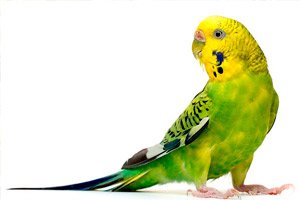
A parrot allergy is an immune system reaction to protein particles that become airborne and on surfaces from feathers, skin flakes, down, pollen, saliva, droppings, and dried bird secretions. It's important to understand that the problem isn't usually the "hair" or visible feathers themselves, but rather the microscopic proteins and dust that are easily inhaled and deposited on the mucous membranes of the nose, eyes, and bronchi. [1]
A person with this sensitivity may experience sneezing, a runny nose, nasal congestion, itchy eyes, watery eyes, coughing, wheezing, shortness of breath, asthma exacerbation, itchy skin, or hives after contact with a parrot. The American Academy of Allergy, Asthma, and Immunology specifically states that pet birds can cause nocturnal wheezing, asthma, rhinitis, and conjunctivitis. [2]
A common parrot allergy must be distinguished from hypersensitivity pneumonitis, commonly known as "bird fancier's lung." This is not the classic runny nose from an allergy, but an immune-mediated inflammation of the lung tissue following repeated exposure to avian antigens. It can manifest as coughing, shortness of breath, fatigue, decreased exercise tolerance, and, with prolonged exposure, lead to pulmonary fibrosis. [3]
Parrots are among the birds most often associated with exposure to avian antigens in the home. Pigeons, budgerigars, other parakeets, and parrots in the broad sense have been cited in the medical literature as sources of hypersensitivity pneumonitis; feathers, down, droppings, serum proteins, and cage dust can be sources of the antigen. [4]
Therefore, the question "Are you allergic to a parrot?" needs to be clarified: it could be allergic rhinitis, allergic conjunctivitis, allergic bronchial asthma, contact urticaria, hypersensitivity pneumonitis, or an infection such as psittacosis. These conditions are similar in their symptoms but differ in their mechanism, examination, risk to the lungs, and treatment. [5]
Table 1. What might be hidden behind the words "parrot allergy"
| State | Mechanism | Typical signs | Why is it important to distinguish? |
|---|---|---|---|
| Allergic rhinitis | Immune reaction to bird proteins in the nose | Sneezing, itching, runny nose, congestion | Treated as an inhalation allergy |
| Allergic conjunctivitis | Inflammation of the mucous membrane of the eye | Itching, tearing, redness of the eyes | Often associated with rhinitis |
| Allergic asthma | Bronchial reaction to an allergen | Coughing, wheezing, shortness of breath, night attacks | Requires bronchial control |
| Contact reaction | Skin contact with an allergen | Itching, hives, redness | Skin and contact with the bird are important |
| Hypersensitivity pneumonitis | Immune inflammation of the lung tissue | Cough, shortness of breath, fatigue, sometimes fever | May lead to fibrosis |
| Psittacosis | Bacterial infection from birds | Fever, cough, muscle aches | Antibiotics are needed |
| Bird flu and other infections | Viral or other infection | Conjunctivitis, cough, fever, weakness | Requires infectious disease evaluation |
This table shows the main principle: symptoms after contact with a parrot do not always indicate the same disease, so it is important not to treat all cases with just an antihistamine tablet. [6]
Why does a parrot cause allergies?
Bird allergens aren't just found in feathers. They can be found in skin flakes, feather pollen, whey proteins, droppings, dried secretions, and microscopic dust that's stirred up when the bird flies, cleans the cage, changes bedding, and shakes the fabric around the cage. [7]
In some parrot species, the problem is exacerbated by so-called powdery down. For example, cockatiels, cockatoos, and some African grey parrots produce more fine dust, which can be actively dispersed throughout the room; in sensitive individuals, this increases the risk of rhinitis, coughing, and asthmatic symptoms. Evidence on differences between species is limited, but clinically, the amount of bird dust does matter. [8]
In common allergies, the underlying mechanism is often linked to immunoglobulin E: the immune system mistakenly identifies a bird protein as dangerous, triggering itching, sneezing, runny nose, conjunctivitis, and bronchospasm upon repeated exposure. This mechanism is similar to an allergy to a cat, dog, or other pet, although the set of allergenic proteins in birds is different. [9]
In hypersensitivity pneumonitis, the mechanism is different. Here, not only immediate allergic reactions are important, but also repeated inhalation of antigens, immune inflammation of the alveoli and interstitial tissue of the lungs, lymphocytic inflammation, and, with prolonged exposure, the risk of scarring. [10]
The risk is higher if the parrot lives in a bedroom, the cage is rarely cleaned, the room has poor ventilation, there are many textiles, carpets, and upholstered furniture, and the person cleans the cage without protection. Allergenic dust can remain in the room even when the bird is in the cage, because microparticles settle on curtains, pillows, clothing, books, ventilation grilles, and filters. [11]
Table 2. Main sources of parrot allergens
| Source | What does it contain? | How does it get to a person? |
|---|---|---|
| Feathers | Feather proteins and pollen particles | During flight, molting, cleaning of birds |
| Bird down | Fine airborne dust | Settles on furniture and textiles |
| Skin scales | Protein particles of the skin | They get into the air and dust |
| Litter | Bird proteins, bacteria, fungal particles | Rises when cleaning the cage |
| Dried discharge | Particles of mucus and organic matter | May get caught in dust |
| Cage and bedding | A mixture of dust, droppings, food, and feathers | When cleaning and changing the filler |
| Feed | Grain dust, mold particles | It may be possible for symptoms to be aggravated by other factors besides the bird. |
| Textiles next to the cage | Accumulated allergens | Re-inhalation even without direct contact |
The source may be mixed: a person thinks they are reacting only to feathers, but in fact they are inhaling a mixture of bird proteins, cage dust, food, and mold particles. [12]
How common is parrot allergy?
The exact prevalence of allergies to parrots is difficult to estimate because studies often group birds together or examine occupational exposures: zoos, poultry farms, veterinary clinics, pigeon breeders, and pet bird owners. However, medical literature acknowledges that parrots and other birds can cause rhinitis, conjunctivitis, asthma, and hypersensitivity pneumonitis. [13]
One review of pet birds indicates that three main respiratory problems are associated with contact with birds: psittacosis, allergic alveolitis (hypersensitivity pneumonitis), and asthma. This is important because the owner of a parrot with a cough and shortness of breath may mistakenly treat it for a "cold" or "common allergies," unaware of the underlying cause of the illness. [14]
The American Academy of Allergy, Asthma and Immunology noted in an expert response that pet birds can be as significant an allergy problem as cats and dogs, and that bird owners may experience nighttime wheezing, asthma, rhinitis, and conjunctivitis.[15]
Avian hypersensitivity pneumonitis is most often diagnosed in people with repeated and prolonged exposure: parrot owners, pigeon breeders, poultry workers, people using down products, and those who regularly clean cages. However, the disease can also occur with household contact with a single bird if the antigen load is high or individual sensitivity is pronounced. [16]
The risk is higher for people with asthma, allergic rhinitis, atopic dermatitis, pre-existing interstitial lung diseases, immune disorders, and those who ignore increasing shortness of breath. Under these conditions, contact with a parrot may not just be a household nuisance, but a factor in deteriorating respiratory function. [17]
Table 3. Who is at high risk?
| Group | Why is the risk higher? |
|---|---|
| Owners of parrots in an apartment | Constant exposure to bird dust |
| People who have a bird living in their bedroom | Long-term nighttime inhalation of allergens |
| People with bronchial asthma | An allergen can trigger attacks. |
| People with allergic rhinitis | Frequently react to additional inhalant allergens |
| People who frequently clean their cages | High dose of dust and droppings |
| Pet store and veterinary clinic workers | Occupational exposure to birds |
| People with down pillows and blankets | Avian antigens can come from more than just live birds. |
| Patients with unexplained shortness of breath | Hypersensitivity pneumonitis must be excluded. |
The risk depends not only on the presence of birds, but also on the dose of antigens, ventilation, frequency of cleaning, type of bird, lung condition and individual immune response. [18]
Symptoms of a common parrot allergy
The most common scenario is allergic rhinitis. A person begins sneezing near the cage or after cleaning, developing an itchy nose, clear watery discharge, congestion, mucus running down the back of the throat, a sore throat, and a nighttime cough. With constant contact, these symptoms can become daily and no longer be perceived as a connection to the bird. [19]
Allergic conjunctivitis is characterized by itching, redness, watery eyes, swollen eyelids, and a gritty sensation in the eyes. People often initially suspect dust, a computer screen, or fatigue, but symptoms worsen after cleaning the bird's cage, handling feathers, or being in the same room as the bird. [20]
Bronchial symptoms are especially important. A parrot allergy can cause a dry cough, wheezing, chest tightness, shortness of breath, nighttime awakenings, and worsening of existing asthma. If wheezing or shortness of breath occurs after contact with a bird, it should not be considered a mild household allergy. [21]
Skin reactions are less common but possible. Some people experience itching, red spots, hives, or a flare-up of atopic dermatitis after contact with the bird, cage, food, or dust, especially if they touch their face and eyes after cleaning the cage. [22]
A characteristic of domestic bird allergies is that symptoms can be persistent because the allergen is present indoors 24/7. If runny nose, cough, and itchy eyes persist for months and worsen indoors, not just outdoors, consider the parrot and its cage as a possible source. [23]
Table 4. Symptoms of parrot allergy by organ
| Organ or system | Possible symptoms | What could this mean? |
|---|---|---|
| Nose | Sneezing, itching, runny nose, congestion | Allergic rhinitis |
| Eyes | Itching, tears, redness, swelling of the eyelids | Allergic conjunctivitis |
| Throat | Sore throat, mucus, coughing | Postnasal drip |
| Bronchi | Wheezing, shortness of breath, night cough | Allergic asthma |
| Leather | Itching, hives, red spots | Contact or systemic reaction |
| General condition | Fatigue, poor sleep | Chronic rhinitis or asthma |
| Lungs | Shortness of breath on exertion, dry cough | Hypersensitivity pneumonitis must be excluded. |
| Fever and aches | Not typical for a common allergy | Infection or pneumonitis must be ruled out. |
If there is only itching and a runny nose, it is most often an allergic rhinitis; if shortness of breath, decreased exercise tolerance and changes in lung imaging appear, one needs to think more broadly. [24]
Bird Lover's Lung: When Allergies Become a Lung Disease
Birdwatcher's lung is a form of hypersensitivity pneumonitis, an immune-mediated inflammation of the lungs caused by repeated exposure to avian antigens. Unlike typical allergic rhinitis, the inflammation develops deeper, at the level of the alveoli and interstitial tissue, so complaints often involve coughing, shortness of breath, and fatigue rather than the nose. [25]
The acute form can resemble an infection: a few hours after intense contact with the cage, droppings, feathers, or cleaning, coughing, shortness of breath, weakness, chills, and sometimes a fever and a feeling of heaviness in the chest appear. If such episodes recur after contact with the bird and resolve with removal from the source, this is an important diagnostic clue. [26]
The chronic form develops more slowly and is more dangerous because the person becomes accustomed to the symptoms. Shortness of breath during exertion, a dry cough, fatigue, weight loss, and decreased ability to climb stairs and walk gradually increase; with prolonged exposure, pulmonary fibrosis, or scarring, may develop, which is not always fully reversible. [27]
A diagnosis of hypersensitivity pneumonitis cannot be made solely based on parrot ownership. Current guidelines recommend a combination of exposure history, clinical presentation, high-resolution computed tomography (HRCT), pulmonary function testing, bronchoalveolar lavage analysis, serologic testing for suspected antigens, and sometimes a lung biopsy. [28]
The main treatment principle is antigen elimination. If avian antigen continues to enter the lungs, medications may have an incomplete and temporary effect; in the fibrotic form, glucocorticosteroids, other immunomodulatory approaches, and, in some cases, antifibrotic therapy are sometimes required, but without source control, treatment remains weak. [29]
Table 5. Common parrot allergy and hypersensitivity pneumonitis
| Sign | Common allergy | Hypersensitivity pneumonitis |
|---|---|---|
| The main area of inflammation | Nose, eyes, bronchi | Lung tissue |
| Mechanism | Often immunoglobulin E | Complex cellular and antibody reaction |
| Leading symptoms | Sneezing, itchy eyes, runny nose | Shortness of breath, dry cough, fatigue |
| Temperature | Usually no | It may occur in acute form. |
| Connection with cell cleaning | May aggravate rhinitis | May cause coughing fits and shortness of breath |
| Diagnostics | Skin tests, specific immunoglobulin E | Computed tomography, pulmonary function, bronchoalveolar lavage |
| Main prevention | Reducing contact with the allergen | Complete elimination of the antigen is often critical |
| The main risk | Asthma and chronic rhinitis | Pulmonary fibrosis and respiratory failure |
If the parrot owner has not only a runny nose, but also progressive shortness of breath, this is already a reason for a pulmonary examination, and not just for buying an antihistamine. [30]
Infections that may resemble allergies
Parrots can be associated not only with allergies but also with infections. The most well-known of these is psittacosis, or "parrot disease," caused by the bacterium Chlamydia psittaci; the Centers for Disease Control and Prevention notes that these bacteria most often infect birds but can be transmitted to humans. [31]
Psittacosis typically presents as a respiratory infection: fever, dry cough, headache, muscle aches, weakness, and sometimes pneumonia. Unlike a common allergy, it is more characterized by fever, general malaise, muscle aches, and an infectious appearance, and treatment requires antibiotics. [32]
A bird can appear healthy and still be a source of infection. Therefore, if a fever and cough develops after purchasing a parrot, caring for a sick bird, cleaning the cage, or coming into contact with droppings, it is important to inform your veterinarian about contact with birds; without this information, psittacosis can easily be mistaken for a common viral or bacterial infection. [33]
Bird flu is much less common in pet parrots than in wild and farm birds, but it is still included in the differential diagnosis in outbreaks among birds and in cases of contact with sick or dead birds. The Centers for Disease Control and Prevention (CDC) notes that people may experience conjunctivitis, fever, cough, sore throat, runny nose, muscle aches, and fatigue. [34]
In practice, this means a simple rule: itchy eyes, sneezing and runny nose without fever are more likely to be an allergy, while high fever, severe weakness, muscle pain, pneumonia or worsening general condition require an infectious evaluation. [35]
Table 6. Allergy, hypersensitivity pneumonitis and infection
| Sign | Allergy | Hypersensitivity pneumonitis | Psittacosis or other infection |
|---|---|---|---|
| Itchy eyes | Often | Not the main sign | Possible, but not essential |
| Sneezing | Often | Not the main sign | May be |
| Temperature | Usually no | Possible in acute form | Often possible |
| Muscle pain | Not typical | Possible | Often possible |
| Dry cough | Possible | Often | Often |
| Dyspnea | For asthma | A very important sign | For pneumonia |
| Connection with cell cleaning | Often | Often | Possible |
| Treatment | Antiallergic medications and contact control | Antigen elimination and pulmonary therapy | Antibiotics or anti-infective tactics |
If you have a fever and severe weakness, you shouldn’t attribute it to an allergy to a parrot, because infectious diseases from birds require a different diagnosis and treatment. [36]
Diagnosing Parrot Allergies
Diagnosis begins with a detailed history. The doctor will determine the parrot's species, how long the bird has been home, the location of the cage, whether the bird is in the bedroom, who cleans the cage, whether symptoms worsen after cleaning, molting, flight, contact with food, and whether there is improvement outside the home or during travel. [37]
For common inhalant allergies, skin prick tests and blood tests for specific immunoglobulin E to suspected allergens are used. For birds, such tests may be less standardized than for cats, dogs, dust mites, or pollen, so a negative result does not always completely rule out the clinical significance of contact with a parrot. [38]
If coughing, wheezing, or shortness of breath are present, asthma should be evaluated. A doctor may order spirometry, a bronchodilator test, peak expiratory flow measurement, an assessment of airway inflammation, and an analysis of the relationship between symptoms and exposure to the bird. [39]
If hypersensitivity pneumonitis is suspected, diagnosis becomes pulmonary. High-resolution computed tomography (CT) scanning, pulmonary function testing, oxygen metabolism analysis, bronchoalveolar lavage with cellular assessment, serologic tests for avian antigens, and sometimes lung biopsy are used. [40]
Serologic tests to avian antigens, particularly immunoglobulin G, can support the diagnosis of hypersensitivity pneumonitis but do not alone prove it. A systematic review of avian antibodies emphasizes that such tests have diagnostic value but should be interpreted in conjunction with clinical presentation, imaging, and exposure history. [41]
Table 7. What examinations may be needed
| Method | What does it show? | When it is especially useful |
|---|---|---|
| Detailed Bird Contact Questionnaire | Relationship of symptoms with the parrot and the cage | Always |
| Skin prick tests | Sensitization to allergens | For rhinitis, conjunctivitis, asthma |
| Specific immunoglobulin E | Allergic sensitization | If skin testing is not possible |
| Spirometry | Bronchial dysfunction | For coughing, wheezing, shortness of breath |
| Peak expiratory flow rate | Fluctuations in bronchial patency | If asthma is suspected |
| High-resolution computed tomography | Interstitial changes in the lungs | If hypersensitivity pneumonitis is suspected |
| Bronchoalveolar lavage | Cellular composition in the deep airways | When the picture is unclear |
| Immunoglobulin G to avian antigens | Contact and immune response to birds | As part of the diagnosis of pneumonitis |
| Lung biopsy | Morphological confirmation | Only in difficult cases |
| Tests for psittacosis | Infectious cause | For fever and pneumonia |
The diagnosis must integrate history, tests, and clinical presentation because no single test alone answers all the questions. [42]
Differential diagnosis
Parrot allergies should be distinguished from allergies to dust mites, mold, cats, dogs, pollen, household chemicals, and bird food. A parrot's home often contains cage dust, grain dust, mold particles, dust mites in textiles, and regular house dust, so the culprit may not be the bird alone. [43]
Allergic rhinitis must be distinguished from chronic non-allergic rhinitis, viral infections, sinusitis, a deviated septum, nasal polyps, and reactions to irritants. If congestion is persistent, discharge is purulent, there is facial pain, or loss of smell, diagnostic workup should go beyond the bird test. [44]
Asthmatic symptoms must be differentiated from chronic bronchitis, infection, heart failure, anxiety episodes, gastroesophageal reflux, and hypersensitivity pneumonitis. Wheezing after contact with a parrot may indicate allergic asthma, but progressive dyspnea and changes on CT scan require ruling out lung disease. [45]
Hypersensitivity pneumonitis must be distinguished from idiopathic pulmonary fibrosis, sarcoidosis, other interstitial lung diseases, infectious pneumonia, drug-induced lung injury, and occupational diseases. This is why current guidelines emphasize a multidisciplinary assessment rather than a diagnosis based solely on bird ownership. [46]
Avian infectious diseases, primarily psittacosis, should be considered in cases of fever, cough, muscle pain, pneumonia, or worsening symptoms after contact with a sick bird. In such cases, treatment with antihistamines will not resolve the problem, as infectious diagnostic testing and antibacterial therapy are required. [47]
Table 8. What can confuse a parrot allergy?
| Similar condition | What is similar | How to distinguish |
|---|---|---|
| Dust mite allergy | Runny nose, congestion, cough at home | Symptoms worse in the bedroom, tick tests |
| Mold allergy | Runny nose, cough, asthma | Dampness, mold, symptoms after cleaning |
| Psittacosis | Cough and weakness | Fever, muscle aches, infectious tests |
| Viral infection | Runny nose and cough | Contact with sick people, fever, acute onset |
| Allergic asthma | Coughing and whistling | Spirometry and allergen association |
| Hypersensitivity pneumonitis | Cough and shortness of breath | Computed tomography, immunoglobulin G, lavage |
| Sinusitis | Congestion and discharge | Facial pain, purulent discharge, duration |
| Dust irritation in cells | Sneezing and coughing | Lack of immune sensitization, association with cleaning |
Correct differential diagnosis is especially important if a person does not want to part with the bird: without an accurate diagnosis, one can either underestimate the risk or mistakenly blame the parrot. [48]
Parrot allergy treatment
The first and most effective method is to reduce or completely eliminate contact with the allergen. For mild allergic rhinitis, it may be sufficient to remove the cage from the bedroom, improve ventilation, dust frequently, use an air purifier with a high-efficiency filter, and avoid cleaning the cage yourself. However, for asthma or hypersensitivity pneumonitis, such measures may not be sufficient. [49]
For allergic rhinitis, modern antihistamines, intranasal corticosteroids, saline nasal washes, and topical ophthalmic agents for conjunctivitis are used. The specific regimen depends on the severity of symptoms, age, pregnancy, concomitant asthma, and drug tolerance. [50]
In allergic asthma, bronchial control is important: inhaled anti-inflammatory drugs, bronchodilators as indicated, an action plan for exacerbations, and monitoring of lung function. If a parrot is a confirmed asthma trigger, simple treatment with allergy pills usually does not completely resolve the problem. [51]
In hypersensitivity pneumonitis, the primary step is elimination of the avian antigen. Recent reviews emphasize that avoidance of the causative antigen should be performed whenever possible; in severe, progressive, or fibrotic cases, glucocorticosteroids, immunomodulatory drugs, oxygen, pulmonary rehabilitation, and, in selected cases, antifibrotic therapy may be used. [52]
Allergen-specific immunotherapy has been well studied for some allergens, such as pollen, mites, cats, and dogs, but for parrot allergens, it is not a standard, mass-market solution with the same evidence base. Therefore, for avian allergies, the primary focus is usually on confirming the diagnosis, exposure control, treating rhinitis or asthma, and assessing the risk of hypersensitivity pneumonitis. [53]
Table 9. Treatment according to clinical scenario
| Situation | The basic approach | What is important |
|---|---|---|
| Mild rhinitis | Antihistamines, nasal decongestants, reduced contact | Remove the cage from the bedroom |
| Conjunctivitis | Antiallergic eye medications | Do not rub your eyes after contact with the bird. |
| Allergic asthma | Asthma control and allergen reduction | Assess the need for bird removal |
| Skin reaction | Avoid contact, wash hands, treat dermatitis | Check the feed and bedding |
| Suspected hypersensitivity pneumonitis | Pulmonologist, antigen elimination | Don't limit yourself to antihistamines |
| Fibrous form of pneumonitis | Specialized treatment | Immunomodulatory and antifibrotic approaches are possible |
| Psittacosis | Antibiotics as prescribed by a doctor | Report contact with a bird |
| Severe shortness of breath | Urgent medical assessment | Rule out asthma, pneumonia, pneumonitis |
The tactics depend on the diagnosis: what is appropriate for rhinitis may be dangerously insufficient for hypersensitivity pneumonitis or infection. [54]
Should I give away my parrot?
This is the most pressing issue for owners. For mild allergies without asthma and no signs of lung damage, a veterinarian may initially recommend strict measures to reduce exposure: remove the bird from the bedroom, have someone else clean the cage, use a protective mask when cleaning, wet cleaning, an air purifier, minimize textiles, and regularly clean the room. [55]
However, in confirmed hypersensitivity pneumonitis, simply "cleaning more often" is often insufficient. Inhalation of even small amounts of avian antigens can sustain inflammation; therefore, in most severe cases, complete removal of the antigen source from the living space is required, including the bird, contaminated items, feathers, dust in upholstered furniture, and ventilation. [56]
For allergic asthma, the decision depends on the severity. If a parrot causes wheezing, nighttime coughing, the need for additional inhalers, or repeated flare-ups, keeping the bird indoors may perpetuate chronic bronchial inflammation. [57]
If you do decide to keep the bird, you need to understand the limitations. Allergens cannot be completely "removed" by cleaning, because microparticles remain in dust, textiles, books, filters, and crevices; even after removing the bird from the home, reducing the allergen load may take time. [58]
For a patient with proven hypersensitivity pneumonitis or severe asthma, the issue is no longer emotional, but medical: if the antigen persists, the risk of deterioration of respiratory function, irreversible changes and drug dependence increases. [59]
Table 10. When it is especially important to consider removing a bird from the home
| Situation | Why is this important? |
|---|---|
| Hypersensitivity pneumonitis confirmed | Antigen maintains lung inflammation |
| There are fibrotic changes in the lungs | The risk of irreversible deterioration is higher |
| Asthma gets worse around birds. | Contact maintains bronchial inflammation |
| Symptoms persist despite treatment | The contact is probably too intense. |
| The bird lives in the bedroom | Longest duration of exposure |
| Symptoms get worse when the cage is cleaned. | High dose of dust and droppings |
| There are children or elderly people with asthma | The risk of complications is higher |
| The house has poor ventilation and a lot of textiles. | Allergens accumulate indoors |
The decision should be made in consultation with an allergist or pulmonologist because the health risks depend on the specific diagnosis and the severity of the respiratory symptoms. [60]
Prevention and safe living with a parrot
If the parrot remains indoors, the cage should not be placed in a bedroom, a child's room, or near a work area where a person spends many hours. The longer and closer the contact, the higher the total dose of avian antigens, especially at night. [61]
Cage cleaning is best performed by a person without allergies or asthma. When cleaning, avoid dry shaking of bedding, droppings, and feathers; wet cleaning, gloves, a tight-fitting protective mask, ventilation, and immediate removal of contaminated materials are preferable. [62]
An air purifier with a high-efficiency particulate filter can reduce the number of particles in the air, but it is not a substitute for eliminating the source. It is more useful as an additional measure for mild symptoms, but for hypersensitivity pneumonitis or severe asthma, relying on a filter alone is dangerous. [63]
It's best to minimize textiles near the cage. Carpets, heavy curtains, soft toys, blankets, and open bookshelves accumulate bird dust and make it difficult to control the allergen load. [64]
Veterinary considerations are also important. A sick bird, poor cage hygiene, wet food, mold, droppings, and stress in the bird increase the risk of infectious and irritating factors; if the bird has discharge from the eyes and nose, diarrhea, lethargy, ruffled feathers, or difficulty breathing, you should contact a veterinarian. [65]
Table 11. Practical measures to reduce the allergen load
| Measure | What does it give? | Limitation |
|---|---|---|
| Remove the cage from the bedroom | Reduces nighttime effects | Doesn't solve the problem completely |
| Wet cleaning | Reduces dust in the air | Regularity is needed |
| Air purifier | Reduces a portion of aerosol particles | Does not replace source removal |
| Mask when cleaning | Reduces dust inhalation | Proper fit is needed |
| A minimum of carpets and curtains | Fewer allergen accumulators | Requires a change in lifestyle |
| Cleaning the cage by another person | Reduces the peak dose of antigen | It's not always possible |
| Veterinary control of poultry | Reduces the risk of infections and poor hygiene | Does not eliminate allergies |
| Refusal of feather pillows | Reduces additional avian antigen | Especially important for pneumonitis |
Prevention must be realistic: for mild allergies, household measures may help, but when the lungs are affected, much more stringent antigen control is required. [66]
When to see a doctor urgently
Urgent medical attention is needed if, after contact with a parrot, severe shortness of breath, wheezing, chest tightness, blue lips, severe weakness, confusion, fainting, or rapidly increasing swelling of the face and throat occur. Such symptoms may reflect a severe exacerbation of bronchial asthma or a systemic allergic reaction. [67]
You should consult a doctor immediately if you experience a persistent dry cough, shortness of breath with normal activity, fatigue, weight loss, repeated episodes of a flu-like condition after cleaning the cage, or worsening breathing in the same room as the bird. These are signs that indicate hypersensitivity pneumonitis should be ruled out. [68]
Fever, muscle aches, headaches, pneumonia, or severe malaise after contact with a parrot require ruling out psittacosis and other infections. The veterinarian should be aware of the contact with birds, as without this detail, an infectious cause may not be recognized in time. [69]
A routine allergist consultation is necessary if runny nose, itchy eyes, coughing, or skin reactions recur whenever around the bird, when cleaning the cage, or when the bird is kept indoors for extended periods. The sooner the allergen is identified, the easier it is to prevent chronic rhinitis, sleep disturbances, and the development of uncontrolled asthma. [70]
A pulmonologist is needed if there is shortness of breath, abnormal X-rays or CT scans, decreased blood oxygen saturation, impaired lung function, or a suspected interstitial lung disease. In this situation, a standard feather allergy test is insufficient. [71]
Table 12. Red flags
| Sign | What could it mean? |
|---|---|
| Wheezing | Asthma exacerbation or bronchospasm |
| Shortness of breath at rest | Severe respiratory condition |
| Progressive dyspnea with exertion | Possible damage to lung tissue |
| Temperature after contact with poultry | Pneumonitis or infection |
| Dry cough for months | Asthma, pneumonitis or other lung disease |
| Weight loss | Chronic inflammation or infection |
| Fainting or blue lips | Urgent respiratory or cardiovascular problem |
| Pneumonia after purchasing poultry | It is necessary to exclude psittacosis |
If there are red flags, the issue is no longer about household allergies, but about breathing safety and the need for a full examination. [72]
Frequently asked questions
Is it possible to be allergic to a parrot specifically, rather than to all birds? Yes, sensitivity can be linked to a specific bird species or a group of bird allergens, but cross-reactivity is also possible between different birds, including parrots, canaries, pigeons, chickens, ducks, and geese. [73]
Is the allergy to feathers or droppings? Both sources can be important: bird allergens are found in feathers, bird dust, serum proteins, droppings, and dried secretions, while inhaled avian antigens from dust are important in hypersensitivity pneumonitis. [74]
Can parrots cause asthma? Yes, in sensitive individuals, birds can trigger coughing, wheezing, nighttime symptoms, and asthma attacks, especially with constant household contact. [75]
What's the danger of "birdwatcher's lung"? The danger is that the inflammation affects the lung tissue, and with prolonged exposure to the antigen, it can develop into a chronic or fibrotic form with irreversible loss of lung function. [76]
Is it safe to keep a parrot if you have allergies? With mild rhinitis, this can sometimes be discussed with a doctor, with strict restrictions on contact, but with asthma, severe dyspnea, or hypersensitivity pneumonitis, keeping the bird at home can be dangerous. [77]
Will an air purifier help? It can reduce some airborne particles, but it doesn't eliminate the source of the allergen; if you have severe lung damage or asthma, an air purifier alone isn't enough. [78]
What tests confirm a parrot allergy? For rhinitis and asthma, skin tests and specific immunoglobulin E are used, and if hypersensitivity pneumonitis is suspected, exposure, CT scan, lung function, bronchoalveolar lavage, and immunoglobulin G to avian antigens are assessed. [79]
If a feather test is negative, is there definitely no allergy? No, a negative test does not always completely rule out a clinical link, because bird allergens and test extracts are less standardized, and symptoms may be related to droppings, cage dust, mold, or hypersensitivity pneumonitis. [80]
Can a parrot cause an infection similar to an allergy? Yes, psittacosis can cause fever, coughing, muscle aches, and pneumonia after contact with birds, so if you have a fever and noticeable weakness, you should tell your vet about your parrot. [81]
Can parrot allergies be treated with antihistamines alone? While they may reduce symptoms for mild rhinitis, asthma, dyspnea, or hypersensitivity pneumonitis require a different approach, including airway management and antigen elimination. [82]
Key points from experts
| Expert or organization | Regalia | Key thesis |
|---|---|---|
| Ganesh Raghu and co-authors | Authors of the official guidelines of the American Thoracic Society, the Japanese Respiratory Society, and the Latin American Thoracic Association for the diagnosis of hypersensitivity pneumonitis | The diagnosis of hypersensitivity pneumonitis should include a history of exposure, computed tomography, bronchoalveolar lavage, serologic data, and a multidisciplinary evaluation. |
| Evans Fernández Pérez and co-authors | Authors of the CHEST guideline for the diagnosis and evaluation of hypersensitivity pneumonitis | If hypersensitivity pneumonitis is suspected, a thorough history of household, occupational, and hobby exposures, including contact with birds, should be obtained. |
| D. Koschel et al. | Authors of a 2025 review on the diagnosis and treatment of hypersensitivity pneumonitis | Avian antigens are an important cause of hypersensitivity pneumonitis, and antigen avoidance remains a key part of treatment. |
| Centers for Disease Control and Prevention | US Federal Public Health Agency | Psittacosis is a respiratory infection associated with birds and should be considered when coughing and fever occur after contact with parrots. |
| American Academy of Allergy, Asthma and Immunology | Professional Allergy Organization | Poultry can cause rhinitis, conjunctivitis, asthma and nocturnal wheezing in sensitized individuals. |
| American College of Allergy, Asthma and Immunology | Professional Allergy Organization | Pet allergies can cause runny nose, itchy eyes, coughing, wheezing and skin reactions, and treatment includes reducing exposure and anti-allergy medications. |
| Merck Manual Professional | Clinical Handbook for Physicians | Hypersensitivity pneumonitis presents with cough, shortness of breath, and fatigue following inhalation of an antigen, and chronic exposure can lead to fibrosis. |
These theses converge on one thing: a parrot can be a source of both a common inhalant allergy and a more serious immune disease of the lungs, therefore, in case of coughing and shortness of breath, the diagnosis should be broader than the standard allergy test. [83]
Result
Parrot allergies most often present as allergic rhinitis, conjunctivitis, cough, asthma, or skin symptoms following contact with feathers, down, skin flakes, droppings, and dust from the cage.[84]
The most important distinction is hypersensitivity pneumonitis, or "birdwatcher's lung." This disease affects the lung tissue and can present with progressive shortness of breath and a dry cough, and with prolonged exposure to avian antigens, can sometimes lead to pulmonary fibrosis. [85]
Diagnosis depends on the symptoms: in rhinitis and asthma, allergy tests and bronchial evaluation are needed, and in cases of dyspnea and suspected pneumonitis, a pulmonary examination with high-resolution CT scanning, pulmonary function testing, bronchoalveolar lavage and tests for avian antigens is needed. [86]
Treatment for common allergies includes exposure reduction, nasal anti-inflammatory agents, antihistamines, eye drops and asthma control, but for hypersensitivity pneumonitis, the main treatment is removal of the avian antigen from the environment.[87]
If a parrot owner has a fever, muscle pain, severe weakness, or pneumonia, it is important to consider not only allergies but also psittacosis and other bird-related infections.[88]