Treatment of hemorrhoids

Hemorrhoid Treatment: clear overview, key topics, and practical navigation to related guides.

Hemorrhoid Treatment brings together curated guides, checklists, and explanations to help navigate the topic with clarity.

Use this page as a starting point: learn key terms, common scenarios, and how clinicians usually approach diagnosis and treatment.

On this page:

  • Clear navigation to related guides and checklists
  • Key concepts and definitions
  • Practical next steps and questions to ask
  • When to seek professional help

This hub is educational and is not a substitute for medical care.

Use it to orient quickly and then read the detailed articles linked below.

Chicory for hemorrhoids: benefits, limitations, inulin, and effects on stool

Chicory for hemorrhoids cannot be considered a cure for hemorrhoids, but it can be considered a food product that affects stool in some people.

Eggs for hemorrhoids: can you eat them, how to avoid worsening constipation, and what to combine them with

Eggs are not prohibited for hemorrhoids if they are well tolerated, properly prepared, and do not displace foods with dietary fiber from the diet.

Calendula for hemorrhoids: benefits, limitations, risks, and safe use

Calendula ointments, suppositories, infusions, baths, and compresses are available in pharmacies and folk remedies. However, from a modern medical perspective, it's important to distinguish two things: calendula can be used as a traditional herbal remedy for minor skin inflammations and wounds, but this doesn't mean it treats hemorrhoids.

Garlic for hemorrhoids: can you eat it, why shouldn't you insert it into the rectum, and what are the risks?

Garlic for hemorrhoids should be divided into two completely different topics: garlic as a regular food product and garlic as a dangerous topical remedy.

Milk for hemorrhoids: can you drink it, when to limit it, and how to avoid worsening bowel movements

Milk is neither a cure nor a universally prohibited product for hemorrhoids. It does not shrink hemorrhoids, stop bleeding, treat thrombosed external hemorrhoids, and does not replace fiber, water, topical treatments, office procedures, or surgical treatment when indicated.

Kefir for hemorrhoids: benefits for bowel movements, restrictions, and a safe place in the diet

Kefir for hemorrhoids can be considered as a supplementary food product, and not as a cure for hemorrhoids.

Beets for hemorrhoids: benefits, restrictions, and safe inclusion in the diet

Beets can be a useful part of the diet for hemorrhoids, but they cannot be considered a cure for hemorrhoids.

Yoga for hemorrhoids: what exercises can you do, what poses should you avoid, and when should you see a doctor?

Yoga for hemorrhoids can be useful as a gentle physical activity, as long as the exercises do not cause pain, straining, pressure in the anorectal area, or worsening of symptoms.

Soups for hemorrhoids: which are good for bowel movements, which are best to limit, and how to prepare them without harm

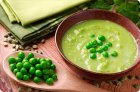
Soups can be a beneficial part of a hemorrhoid diet because they provide fluid, warm, soft food, and the opportunity to add vegetables, legumes, grains, and herbs.

Fruits for hemorrhoids: Which ones help bowel movements, which ones can be harmful, and how to eat them safely

Fruits are beneficial for hemorrhoids not because they "cure the nodes," but because they help solve one of the main problems of hemorrhoidal disease: hard stool, constipation, and straining.