Surgical diseases

This category covers surgical diseases with symptoms, causes, diagnostics, treatment options, and prevention basics.

Surgical Diseases brings together curated guides, checklists, and explanations to help navigate the topic with clarity.

Use this page as a starting point: learn key terms, common scenarios, and how clinicians usually approach diagnosis and treatment.

On this page:

  • Conditions grouped by specialty with clear navigation
  • Symptoms, causes, risk factors, and complications
  • Diagnosis pathways, including tests and imaging
  • Evidence-based treatment options and prevention

Medical information is educational; treatment should be individualized.

Use the links to learn what to ask at an appointment and how to prepare.
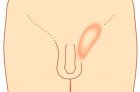
Inguinal hernia in women: types, symptoms, and treatment

This condition causes a lot of inconvenience to a person and can lead to serious consequences.

Inguinoscrotal hernia: what it is and how it manifests itself

This condition can be congenital or appear simultaneously with age-related changes, and is observed significantly more often in the male population than in women.

Consequences of an inguinal hernia: what is important to know

An inguinal hernia is considered a fairly common condition and responds well to treatment, but, like any disease, it can have some complications.

Congenital inguinal hernia: what it is and how it manifests itself

This pathology can occur alone or in combination with other anomalies, such as hydrocele or spermatic cord abnormalities.

Inguinal hernia in children: what it is and how it manifests itself

A hernia may develop, either on one side or both at once. It is often diagnosed in boys under one year of age.