

All iLive content is medically reviewed or fact checked to ensure as much factual accuracy as possible.
We have strict sourcing guidelines and only link to reputable media sites, academic research institutions and, whenever possible, medically peer reviewed studies. Note that the numbers in parentheses ([1], [2], etc.) are clickable links to these studies.
If you feel that any of our content is inaccurate, out-of-date, or otherwise questionable, please select it and press Ctrl + Enter.
Beef Allergy: Symptoms, Causes, Diagnosis, and Treatment
Medical expert of the article

Last updated: 03.05.2026
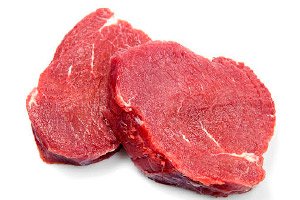
A beef allergy is an immune reaction in which the body mistakenly perceives beef components as dangerous, triggering an allergic reaction. Unlike a common food intolerance, a true allergy can affect the skin, respiratory tract, gastrointestinal tract, and cardiovascular system, and in severe cases, lead to anaphylaxis. [1]
Beef allergy has two main clinical variants. The first is the more common immediate allergy to meat proteins, with symptoms appearing shortly after eating. The second is alpha-gal syndrome, in which the reaction is not related to the protein, but to the carbohydrate galactose-alpha-1,3-galactose, and typically develops several hours after eating mammalian meat. [2]
Alpha-gal syndrome is particularly important because it challenges the conventional understanding of food allergies. While most food allergies develop rapidly, often within minutes or an hour, with alpha-gal, the reaction often occurs 2-6 hours after consuming beef, pork, lamb, or other mammalian products. Therefore, the patient may not associate nighttime hives, abdominal pain, or anaphylaxis with the evening meal eaten several hours earlier. [3]
Immediate beef allergy is most often associated with meat proteins, including bovine serum albumin. Some children and adults may experience cross-reactivity between cow's milk and beef, as certain protein components are present in both dairy products and meat. However, this does not mean that every person with a milk allergy will react to beef. [4]
It's important to distinguish allergies from other conditions, including food poisoning, fatty food intolerance, gallstones, gastroesophageal reflux disease, irritable bowel syndrome, and reactions to spices, sauces, or additives. A proper diagnosis begins not with banning all foods, but with a detailed symptom history, an assessment of reaction time, and confirmatory allergy testing. [5]
| Reaction option | What is the reason? | When do symptoms appear? | Typical manifestations | Important feature |
|---|---|---|---|---|
| Immediate allergy to beef proteins | Meat protein allergens | Usually quickly after eating | Hives, itching, swelling, vomiting, wheezing | More often it resembles a classic food allergy. |
| Alpha-gal syndrome | Carbohydrate galactose-alpha-1,3-galactose | Usually within 2-6 hours | Hives, abdominal pain, diarrhea, anaphylaxis | Often associated with tick bites |
| Cross-reaction with milk | Common protein components | Usually soon after eating | Skin and gastrointestinal symptoms | Not found in all patients with milk allergy |
| Reaction to supplements | Sauces, spices, preservatives, marinades | Depends on the product | Various symptoms | Beef may be a false suspect |
| Intolerance to fatty foods | Not an immune mechanism | After fatty foods | Heaviness, nausea, diarrhea | It is not an allergy |
Symptoms of beef allergy
Beef allergy symptoms can be skin, gastrointestinal, respiratory, and systemic. Skin symptoms most commonly include itching, hives, redness, and swelling of the lips, eyelids, or face. Digestive symptoms may include nausea, abdominal cramps, vomiting, and diarrhea. Severe reactions may also include coughing, wheezing, hoarseness, a feeling of tightness in the throat, weakness, dizziness, and a drop in blood pressure. [6]
With a classic beef protein allergy, symptoms typically occur quickly after eating, making the connection easier to recognize. A person may notice an itchy mouth, hives, nausea, or vomiting after eating only a small amount of meat. It's especially important to discuss such reactions with an allergist, because even if the first episode was mild, the next one may be more severe. [7]
With alpha-gal syndrome, the picture is often different: a person eats beef in the evening and wakes up during the night with itching, hives, abdominal pain, vomiting, diarrhea, or signs of anaphylaxis. The US Centers for Disease Control and Prevention indicates that symptoms of alpha-gal syndrome typically appear 2-6 hours after exposure to foods containing alpha-gal, including red meat and sometimes dairy products. [8]
Some patients present with predominantly gastrointestinal symptoms, with few skin manifestations. This can complicate diagnosis, as abdominal pain, nausea, vomiting, and diarrhea may resemble a gastrointestinal problem. If episodes recur after eating beef, especially with a delay of several hours, alpha-gal syndrome should be considered even without significant urticaria. [9]
The most dangerous signs include difficulty breathing, swelling of the tongue or throat, hoarseness, severe weakness, confusion, a drop in blood pressure, fainting, and a combination of symptoms involving multiple body systems. The World Allergy Organization emphasizes that intramuscular epinephrine remains the first-line treatment for anaphylaxis. [10]
| Symptom | Possible meaning | When it is especially dangerous |
|---|---|---|
| Hives and itching | Frequent skin allergic reaction | If it spreads rapidly or is associated with respiratory symptoms |
| Swelling of the lips, eyelids, face | Angioedema | If it affects the tongue, throat or voice |
| Abdominal pain, vomiting, diarrhea | Gastrointestinal allergic reaction | If repeated after beef or combined with weakness |
| Wheezing, coughing | Airway involvement | Always requires urgent assessment |
| Dizziness, fainting | Possible pressure drop | Sign of possible anaphylaxis |
| Reaction in 2-6 hours | Alpha-gal syndrome suspected | Especially after a history of tick bites |
Why does beef allergy occur?
One cause is sensitization to beef proteins. The immune system produces immunoglobulin E (IgE) to specific protein molecules, and upon repeated exposure, it triggers the release of allergy mediators. With this variant, the reaction usually develops more rapidly than with alpha-gal syndrome. [11]
Bovine serum albumin is considered a significant meat allergen. It is heat-labile, meaning it can be partially destroyed by heating, so some patients tolerate well-cooked meat better than raw or undercooked meat. However, testing for tolerance at home is dangerous if there have been previous systemic reactions. [12]
Another mechanism is alpha-gal syndrome following a tick bite. After a tick bite, some people develop immunoglobulin E (IgE) to galactose-alpha-1,3-galactose, which is present in most mammals but absent in humans, great apes, and some other primates. Consuming beef or other mammalian meat can then trigger a delayed allergic reaction. [13]
The US Centers for Disease Control and Prevention emphasizes that alpha-gal syndrome can occur after a tick bite, but not every bite results in the disease. Symptoms can appear weeks or months after the bite, so the patient may not always remember the connection between the tick and a new red meat intolerance. [14]
The risk of a reaction can be increased not only by the amount of beef consumed but also by associated factors. For alpha-gal syndrome, clinical reviews discuss physical activity, alcohol, nonsteroidal anti-inflammatory drugs, infections, and other factors that can lower the reaction threshold. Therefore, the same product can sometimes cause a severe reaction and sometimes be more easily tolerated, which can confuse the patient. [15]
| Cause | Mechanism | For whom it is especially important to take into account |
|---|---|---|
| Beef proteins | Immunoglobulin E to meat proteins | People with quick reactions after eating |
| Bovine serum albumin | Protein cross-reactivity | For patients with cow's milk allergy |
| Alpha-gal syndrome | Immunoglobulin E to galactose-alpha-1,3-galactose | People after tick bites |
| Insufficient heat treatment | Preservation of some protein allergens | For patients with protein allergies to meat |
| Alcohol and stress | Possible decrease in reaction threshold | Patients with intermittent episodes |
| Drug cofactors | Increased allergic reaction | People taking nonsteroidal anti-inflammatory drugs |
Diagnosis of beef allergy
Diagnosis begins with a detailed allergy history. The doctor will determine the specific type of beef consumed, the time elapsed before the reaction, and any spices, marinades, dairy products, gelatin, medications, alcohol, physical activity, or tick bites. The European Academy of Allergy and Clinical Immunology emphasizes that food allergy diagnosis should begin with an allergy-focused history and then be confirmed by sensitization testing. [16]
If the reaction was rapid, the doctor may order skin prick tests and a blood test for specific immunoglobulin E to beef and related components. It's important to understand that a positive test does not always indicate a clinical allergy: it indicates sensitization, and a diagnosis is made only if the test matches the actual symptoms experienced after exposure to the product. [17]
If alpha-gal syndrome is suspected, the primary laboratory test is a blood test for galactose-alpha-1,3-galactose-specific immunoglobulin E. The U.S. Centers for Disease Control and Prevention (CDC) indicates that this is the primary diagnostic test for alpha-gal syndrome, although skin tests with pork or beef allergens may also be used in some cases.[18]
A diagnosis of clinically significant alpha-gal syndrome requires more than just a positive test. The American Academy of Allergy, Asthma, and Immunology recommends delayed reactions to mammalian meat, tick exposure, a positive alpha-gal-specific immunoglobulin E test, and improvement with dietary changes. This helps differentiate laboratory sensitization from true disease. [19]
Food challenge testing is sometimes used as the gold standard for confirming food allergies, but if severe reactions are suspected, it is only performed in specialized settings. An updated document from the American Academy of Allergy, Asthma, and Immunology and the European Academy of Allergy and Clinical Immunology on food challenge testing emphasizes the need for clear criteria for continuation, stopping, and monitoring to reduce the risk of severe reactions and false diagnoses. [20]
| Diagnostic method | What does it show? | Limitation |
|---|---|---|
| Allergic history | Association of symptoms with beef, time and associated factors | Requires accurate patient recollection |
| Skin prick tests | Possible sensitization to food allergens | A positive result does not equal a diagnosis |
| Specific immunoglobulin E to beef | Sensitization to meat proteins | It must be compared with the symptoms |
| Specific immunoglobulin E to alpha-gal | Supports the diagnosis of alpha-gal syndrome | Sensitization without clinical disease is possible |
| Component diagnostics | Helps to identify the allergenic component | Not available everywhere |
| Food challenge test | Confirms clinical response | Conducted only under medical supervision |
Treatment and action in case of reaction
The primary treatment for a confirmed beef allergy is avoiding the product that triggers the reaction. For a protein allergy, this may mean avoiding beef, while for alpha-gal syndrome, a broader restriction of mammalian meats is often required, including beef, pork, lamb, venison, and products containing meat extracts. The Centers for Disease Control and Prevention (CDC) recommends that management of alpha-gal syndrome involves avoiding foods and items containing alpha-gal, preventing further tick bites, and promptly treating severe reactions. [21]
For mild skin symptoms, a doctor may recommend an antihistamine, but it is not a substitute for epinephrine in anaphylaxis. If respiratory symptoms, throat swelling, severe weakness, a drop in blood pressure, fainting, or a combination of symptoms involving multiple body systems occur, epinephrine should be used if prescribed, and emergency medical care should be sought. The World Allergy Organization recommends intramuscular epinephrine as the first-line treatment for anaphylaxis. [22]
Patients at risk for severe reactions typically require a personalized anaphylaxis action plan and training in the use of an adrenaline autoinjector. The European Academy of Allergy and Clinical Immunology, in its guidelines for the management of immunoglobulin E-mediated food allergy, emphasizes the importance of patient education, dietary management, and emergency preparedness. [23]
In alpha-gal syndrome, prevention of new tick bites is important. Repeated bites can maintain or increase levels of alpha-gal-specific immunoglobulin E, and avoidance of new bites is associated with a decline in antibody levels over time in some patients. Therefore, tick bite prevention is not an adjunct, but a central part of treatment. [24]
There is no pill or treatment that reliably "cure" beef allergy in all patients. Treatment is based on confirming the diagnosis, developing a personalized list of avoidable foods, an action plan for accidental exposure, monitoring comorbidities, and regularly reassessing the risk. With alpha-gal syndrome, some patients may be able to tolerate certain foods better over time, but the decision to expand the diet should only be made with an allergist. [25]
| Situation | What to do | What not to do |
|---|---|---|
| Confirmed beef allergy | Eliminate the product, get an action plan | Check tolerance at home after a severe reaction |
| Mild urticaria | Follow the prescribed plan, take the recommended medication | Ignore recurring episodes |
| Signs of anaphylaxis | Intramuscular adrenaline and emergency care | Expect the effect only from an antihistamine |
| Alpha-gal syndrome | Avoid alpha-gal products and tick bites | Consider any "small portion" safe |
| Accidental contact | Observe according to plan, if worsening, seek help | Going to bed unsupervised after a late night risk |
| Desire to expand the diet | Discuss with an allergist | Conduct provocative tests yourself |
Diet, hidden sources and prognosis
If you have a beef allergy, it's important to read food labels. Beef can be found in broths, meat extracts, sauces, sausages, processed foods, ground meat, ready-made soups, gelatin products, and flavorings. In alpha-gal syndrome, the list may be broader, as reactions are possible not only to meat but also to certain animal products. [26]
In alpha-gal syndrome, dairy tolerance varies from person to person. The Centers for Disease Control and Prevention (CDC) notes that reactions can occur after eating red meat, dairy products, and other foods containing alpha-gal, but this does not mean that every patient must eliminate all dairy products from day one. Restrictions should be based on the patient's reaction history and the advice of an allergist, to avoid unnecessarily restricting their diet. [27]
Gelatin, collagen, some drug capsules, medical devices, and biologics may be significant for some patients with alpha-gal syndrome. The actual risk depends on individual sensitivity, route of administration, and the amount of substance ingested. Therefore, it is important to inform the physician of the diagnosis before procedures, surgeries, or the prescription of new medications for patients with confirmed alpha-gal syndrome. [28]
When eliminating beef, the diet should remain nutritious. Protein sources can include poultry, fish, eggs, legumes, soy products, and other safe foods, if tolerated. For extensive restrictions, especially for children, pregnant women, the elderly, and patients with chronic diseases, consulting a nutritionist is helpful to prevent deficiencies in protein, iron, zinc, and vitamin B12. [29]
The prognosis depends on the mechanism of the allergy. In children with beef protein allergy, age-related changes are possible, but this varies from person to person. In alpha-gal syndrome, symptoms may subside with strict avoidance of new tick bites and an individually tailored diet, but repeated bites may maintain sensitivity or intensify reactions. [30]
| Source of risk | Why is it important? | What to do |
|---|---|---|
| Beef broth and extracts | They can be found in soups, sauces and semi-finished products. | Read the ingredients |
| Mixed minced meat | May contain beef without explicitly stating it in the dish. | Specify the composition of the dish |
| Gelatin | In some patients with alpha-gal syndrome, this may be a problem. | Discuss with an allergist |
| Dairy products | Reactions may occur in some patients with alpha-gal syndrome. | Exclude individually, not automatically |
| Capsules and medical devices | Sometimes contain animal ingredients | Inform doctors about the diagnosis |
| New tick bites | Can maintain sensitivity | Use tick bite prevention |
Frequently Asked Questions
Is it possible to be allergic to beef, but not chicken or fish? Yes. Beef is a mammalian meat, while chicken and fish have a different set of allergens. In alpha-gal syndrome, reactions are usually associated with mammalian products, while poultry and fish are more commonly tolerated unless there is a specific allergy to these foods. [31]
Why does a reaction to beef occur at night if the meat was eaten in the evening? This delay is typical of alpha-gal syndrome. The Centers for Disease Control and Prevention (CDC) notes that symptoms typically appear 2-6 hours after exposure to foods containing alpha-gal, so nighttime reactions after a red meat dinner are a typical clue. [32]
Is it safe to eat well-done beef if you have an allergy? With some protein allergies, heating can reduce the allergenicity of individual proteins, but this does not make the product safe for everyone. With alpha-gal syndrome, cooking is not a reliable way to eliminate the risk, so testing well-done meat yourself after a systemic reaction is not recommended. [33]
What tests are most important if alpha-gal syndrome is suspected? The primary test is a blood test for specific immunoglobulin E to galactose-alpha-1,3-galactose. However, diagnosis requires that the test be consistent with the clinical picture: delayed reactions after eating mammalian meat, possible tick bites, and improvement after eliminating triggers. [34]
Can a test be positive and the disease not be present? Yes. A positive test for specific immunoglobulin E indicates sensitization, but does not always indicate a clinical allergy. Therefore, the European Academy of Allergology and Clinical Immunology recommends starting with an allergy history and comparing test results with the patient's actual reactions. [35]
Should you avoid milk if you have a beef allergy? Not always. With a beef protein allergy, the question of milk depends on the specific allergen and tolerance. With alpha-gal syndrome, dairy products can trigger symptoms in some patients, but restrictions are best tailored to the individual to avoid making the diet unnecessarily restrictive. [36]
How to treat anaphylaxis after eating beef? Anaphylaxis is treated with intramuscular epinephrine and immediate medical attention. Antihistamines can reduce itching and hives, but they are not a substitute for epinephrine if breathing difficulties, a drop in blood pressure, swelling of the throat, or a systemic reaction occur. [37]
Is it possible to cure alpha-gal syndrome? In some patients, sensitivity may decrease over time, especially if further tick bites are avoided. However, the course of the disease varies from patient to patient, and repeated bites can maintain or increase levels of specific immunoglobulin E, so tick bite monitoring remains an important part of management. [38]
Key points from experts
Scott P. Commins, MD, PhD, University of North Carolina School of Medicine, is a leading researcher on alpha-gal syndrome. His key practical message is that management of alpha-gal syndrome should include not only avoidance of mammalian meat but also active prevention of new tick bites, because repeated bites can maintain or increase alpha-gal-specific immunoglobulin E levels. [39]
Alexandra F. Santos, MD, PhD, King's College London, chairs the European Academy of Allergy and Clinical Immunology's Food Allergy Guidelines Group. Her group's key message is that the management of IgE-mediated food allergy requires a combination of diagnosis confirmation, patient education, a safe diet, preparedness for anaphylaxis, and quality-of-life support, rather than a simple list of prohibited foods. [40]
Victoria Cardona, MD, Hospital Universitari Vall d'Hebron, is one of the lead authors of the World Allergy Organization's anaphylaxis guidelines. The main clinical message: In anaphylaxis, intramuscular epinephrine remains the first-line treatment, and delaying its administration increases the risk of severe outcome. [41]
Jonathan M. Wilson, MD, University of Virginia, has reviewed meat allergy and alpha-gal syndrome. Practice point: Meat allergy is heterogeneous, and the clinician must distinguish between immediate protein allergy, alpha-gal syndrome, and cross-reactions because the timing of symptoms, diagnosis, and dietary restrictions differ in these variants. [42]
The Centers for Disease Control and Prevention (CDC) has published a study on alpha-gal syndrome. Their practical advice is that if alpha-gal syndrome is suspected, delayed symptoms after red meat, a history of tick bites, and alpha-gal-specific immunoglobulin E testing should be evaluated, and prevention of new tick bites is part of disease management. [43]
Brief conclusion
A beef allergy can be an immediate reaction to meat proteins or a delayed reaction associated with alpha-gal syndrome. The main clue to distinguishing between the two is the timing of the onset of symptoms: a rapid reaction more often indicates a protein allergy, while a reaction 2-6 hours after eating red meat suggests alpha-gal syndrome, especially if there were tick bites. [44]
A diagnosis cannot be made solely on the basis of a positive test or complaints alone. An allergy history, reaction time assessment, beef-specific immunoglobulin E or alpha-gal tests, and sometimes a specialized food challenge test under medical supervision are required. [45]
Treatment is based on avoiding the confirmed trigger, learning to read food labels, preventing further tick bites in cases of alpha-gal syndrome, and having a plan for dealing with an accidental reaction. If signs of anaphylaxis occur, the first line of treatment is intramuscular epinephrine rather than an antihistamine. [46]